A new report on airline drinking water is raising concerns for travelers as global air travel reaches peak levels, according to Swedish water technology company Bluewater. The findings come as hundreds of millions of passengers are expected to fly during the busy New Year period, one of the most congested travel seasons worldwide.
The 2026 Airline Water Study, released by the New York–based nonprofit Center for Food as Medicine & Longevity, found that the quality of inflight drinking water on U.S. commercial airlines varies significantly depending on the carrier. Researchers examined three years of compliance data — from October 2022 through September 2025 — and ranked 21 airlines using a Water Safety Score that measured bacterial violations, E. coli detections, public notices, and how frequently onboard water systems were disinfected and flushed.
Among major carriers, Delta Air Lines and Frontier Airlines received the highest safety scores, followed closely by Alaska Airlines. However, several large airlines performed poorly, and most regional carriers showed considerable room for improvement, according to the study’s authors.
In total, researchers analyzed 35,674 water samples and found that 2.66% tested positive for total coliform bacteria — an indicator of possible contamination. The study also identified 32 E. coli violations, considered the most serious category under federal aircraft drinking water regulations. Enforcement was another concern, with civil penalties described as rare despite violations.
Bluewater officials say the issue is unlikely to be limited to the United States. Aircraft around the world rely on onboard storage tanks that can experience stagnation, inconsistent maintenance, and varying sanitation standards depending on servicing schedules and airport infrastructure.
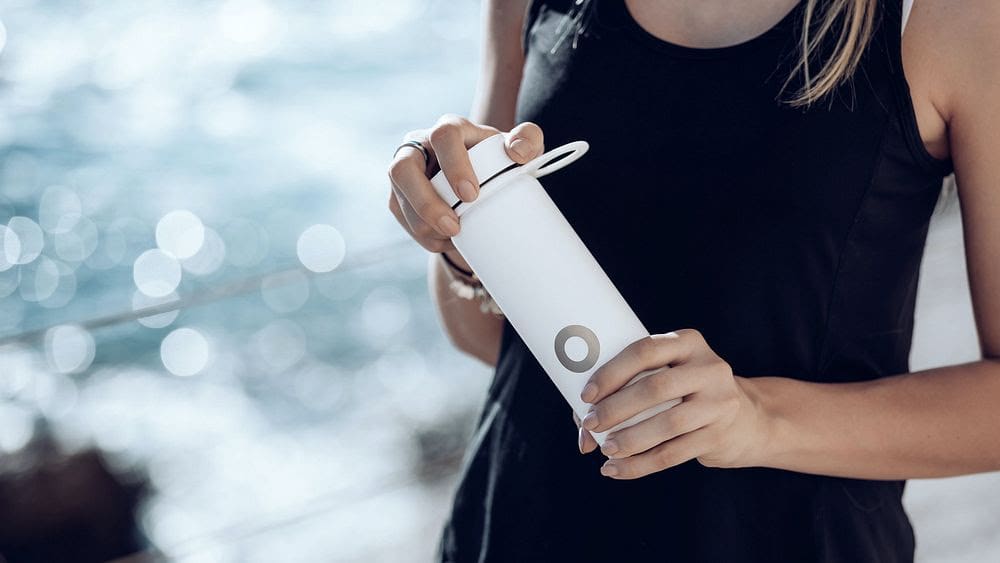
For passengers, the research highlights a difficult choice. Travelers are often unable to refill reusable bottles easily at airports, leaving them to choose between airplane tap water or single-use plastic bottles. Bluewater warns that neither option is ideal from a health or environmental perspective.
Concerns about water quality extend beyond aviation. Studies from agencies including the U.S. Geological Survey have detected PFAS “forever chemicals” and microplastics in tap water supplies globally, reinforcing the importance of effective filtration wherever water is consumed.
Experts advise travelers to reduce risk by choosing sealed bottled beverages, avoiding tea or coffee prepared with onboard water, and using alcohol-based hand sanitizer instead of airplane tap water in restrooms. With more than 300 million passengers expected to travel during the holiday season, the study underscores the importance of transparency and improved water safety standards across the aviation industry.