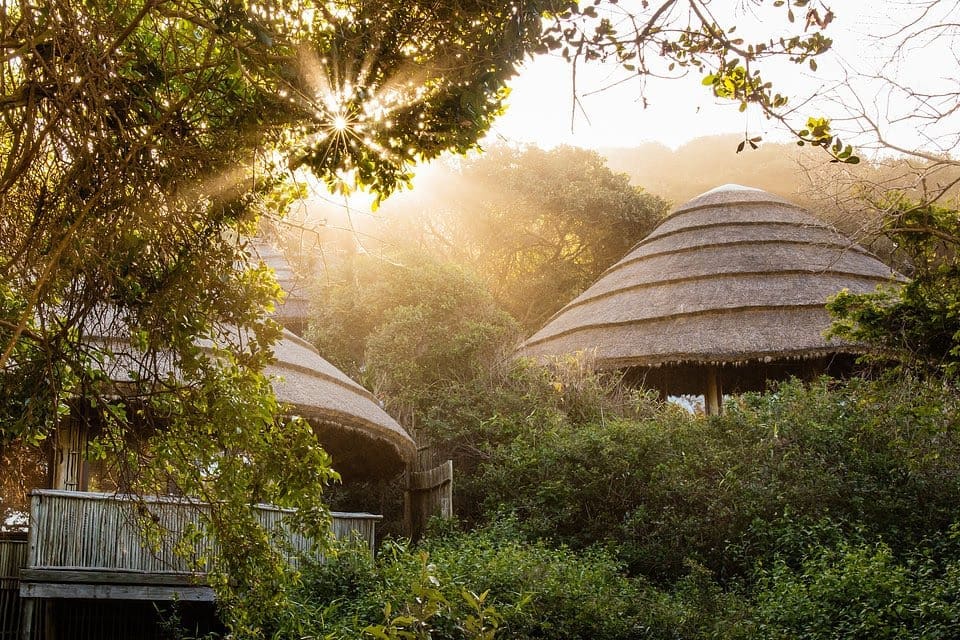
Luxury travel is undergoing a quiet but powerful transformation. The era of sprawling resorts and excess is giving way to something more intentional—experiences rooted in sustainability, restraint, and a deeper connection to the environment. Across Southern Africa, a new wave of low-footprint lodges is meeting this demand, proving that high-end travel no longer has to come at a high environmental cost.
Recent reports, including the Virtuoso Luxe Report and American Express Travel’s Global Travel Trends Report, highlight a growing shift among travelers. Increasingly, guests are choosing destinations that actively support conservation and local communities, rather than simply marketing sustainability as a buzzword. As 2026 approaches, this mindset is shaping how and where people travel.
For Isibindi Africa, this philosophy has long been the foundation of its approach. Its properties—including Thonga Beach Lodge and Tsowa Safari Island—are designed to exist in harmony with their surroundings rather than dominate them.
At Thonga Beach Lodge, located within the UNESCO-listed iSimangaliso Wetland Park, development is intentionally limited. Guest numbers are capped, structures are elevated on wooden stilts, and lighting is carefully controlled to avoid disrupting wildlife—especially during turtle nesting season. Sightings are never staged or guaranteed, reinforcing the idea that nature sets the terms.
A similar ethos defines Tsowa Safari Island, where just nine safari tents accommodate a maximum of 18 guests. The lodge runs entirely on solar power, while water is sourced from the Zambezi River, filtered on-site, and returned safely to the environment through eco-conscious systems.
“Low-footprint luxury starts with knowing when to stop,” said Lucy Cooke, Group Marketing Manager at Isibindi Africa, in a press release. “Guests notice when a place feels considered rather than overbuilt.”
That attention to detail extends to daily operations. At Thonga, single-use plastics have been largely eliminated, replaced with refillable glass containers and reusable materials. Guests are even encouraged to participate in conservation through beach clean-up initiatives. Water stewardship is equally critical, with the lodge supplying clean water to the nearby Mabibi community.
Construction practices also reflect this mindful approach. At Tsowa, no trees were removed during development; the lodge was built around existing vegetation, preserving the natural landscape. At Thonga, traditional thatching methods support both environmental integration and local craftsmanship.
Community engagement remains central. The majority of staff at Thonga come from surrounding communities, with ongoing training and development initiatives. Both lodges contribute to conservation and anti-poaching efforts, ensuring that tourism directly benefits the regions they inhabit.
As travelers rethink what luxury truly means, these lodges offer a compelling answer: less impact, deeper experience, and a commitment to preserving the very environments that make travel worthwhile.