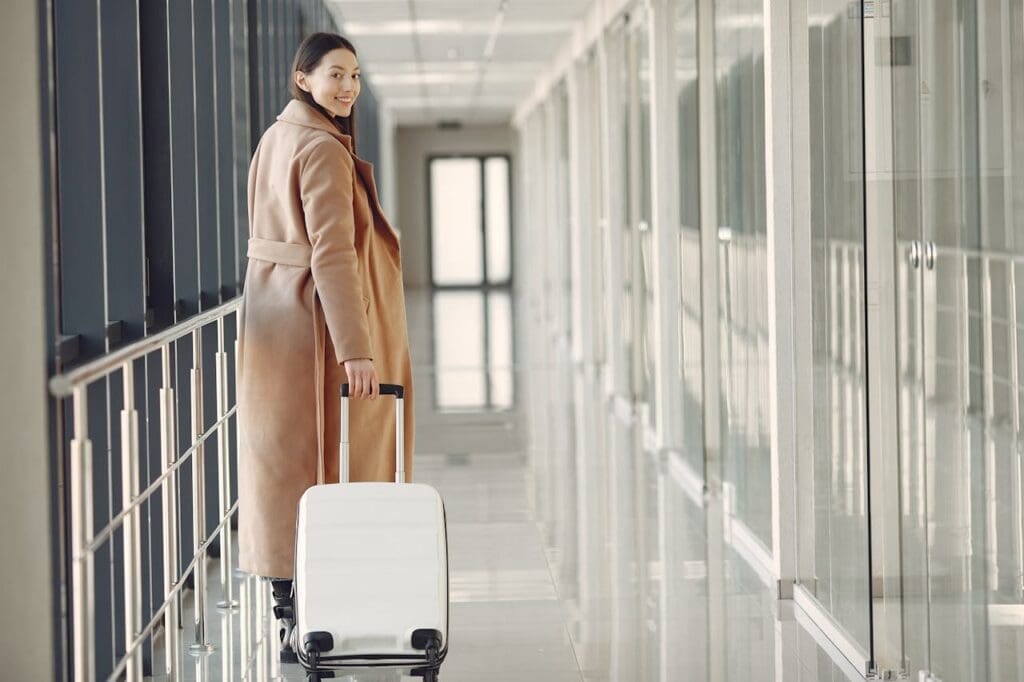
Europe’s busiest airports are preparing for another hectic summer, and travel experts are warning that when you fly may be just as important as where you fly.
As millions of travelers head overseas for vacations, working holidays, cruises and extended stays, lengthy border control lines are becoming one of the season’s biggest travel headaches. Airports including Paris Charles de Gaulle, Madrid, Barcelona, Málaga, Lisbon and Geneva have all reported delays linked to increased passenger traffic and the rollout of new biometric border screening systems.
According to travel expert Jürgen Himmelmann, co-founder of Global Work & Travel, travelers can reduce their chances of getting caught in long queues by paying closer attention to flight timing.
“The biggest shift for travelers this summer is that arrival time matters much more than it used to,” Himmelmann said in a press release. “People spend a lot of time searching for the cheapest flight, but they should also be thinking about when that flight lands and what they need to do afterward.”
Himmelmann recommends booking flights that arrive in Europe early in the morning between Tuesday and Thursday whenever possible. These midweek arrival windows typically avoid the heavy leisure travel traffic that floods airports on weekends.
“There’s no guaranteed queue-free time at a major airport,” he explained. “But travelers generally have more flexibility and fewer disruptions when they arrive earlier in the day and avoid peak weekend travel periods.”
By contrast, Friday afternoon arrivals, Saturday midday landings and Sunday evening flights often coincide with the busiest periods for family vacations, weekend breaks and returning travelers.
The expert says one of the most common mistakes travelers make is scheduling important plans too close to their arrival time. Tight train connections, same-day cruises, domestic flights and prepaid tours can quickly become stressful if border processing takes longer than expected.
“The travelers most at risk are often the ones who have booked themselves into a corner,” Himmelmann said. “Even a relatively short delay can cause a chain reaction that affects the rest of the trip.”
To minimize disruptions, Global Work & Travel recommends treating arrival day as a buffer day rather than a sightseeing day. Travelers should focus on reaching their accommodations, checking in, resting and getting settled before beginning a packed itinerary.
Other practical tips include keeping passports and travel documents easily accessible, downloading reservations and maps offline, checking official entry requirements before departure and choosing flexible transportation options whenever possible.
“The best travel planning this summer isn’t about panic,” Himmelmann said. “It’s about removing pressure points before they happen. If something has to happen at a fixed time, don’t schedule it too close to your arrival flight.”
As Europe braces for another busy tourism season, a little extra planning could make the difference between a smooth arrival and hours spent waiting in line.