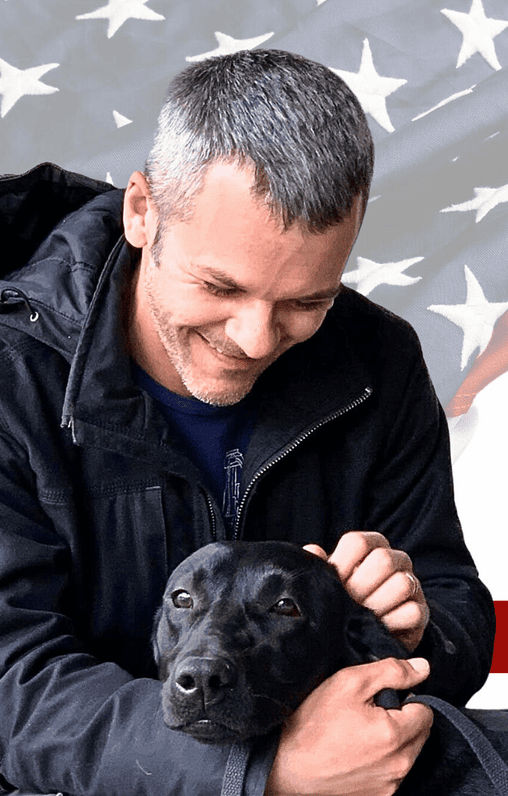
For many Veterans living with post-traumatic stress disorder (PTSD), air travel can be one of the most stressful parts of a journey. Busy terminals, crowded security checkpoints, flight delays, and unfamiliar environments can heighten anxiety, making a professionally trained service dog an invaluable travel companion.
Organizations such as Northwest Battle Buddies (NWBB), which pairs Veterans with PTSD service dogs, emphasize that successful air travel begins long before arriving at the airport. Preparation, proper documentation, and understanding federal regulations can help ensure a smoother experience for both handler and service dog.
Under the Air Carrier Access Act (ACAA), a service animal is defined as a dog individually trained to perform specific tasks for a person with a disability, including psychiatric disabilities such as PTSD. Emotional support animals, comfort animals, therapy animals, and service dogs still in training are not recognized as service animals under the law.
Before flying, Veterans should be prepared to complete the U.S. Department of Transportation’s required Service Animal Air Transportation Form, which verifies the dog’s health, behavior, and training. For flights lasting eight hours or longer, airlines may also require a second form confirming the dog can refrain from relieving itself or can do so in a sanitary manner. Many airlines request these documents at least 48 hours before departure.
At the airport, service dog teams have specific rights and responsibilities. Handlers may ask airport staff to direct them to designated service animal relief areas before boarding. During the flight, service dogs are generally permitted to remain on the floor in front of their handler’s seat, while smaller dogs may sit on a handler’s lap when it is safe to do so. Dogs cannot block aisles or emergency exits, and they must remain under control throughout the flight.
If issues arise, travelers can request assistance from the airline’s Complaints Resolution Official (CRO), who is required to help resolve disability-related accommodation concerns.
Northwest Battle Buddies prepares Veterans for these situations through extensive public-access training. Service dog teams practice navigating Portland International Airport, learning how to move confidently through security checkpoints, terminals, escalators, waiting areas, and boarding procedures. Each dog completes approximately five months of professional training before spending an additional five weeks training alongside its Veteran handler.
Veterans planning international travel should begin preparations months in advance. Every country has its own entry requirements for service dogs, including vaccination records, health certificates, microchipping standards, and, in some cases, quarantine requirements. Travelers are encouraged to review destination-specific regulations through the U.S. Department of Agriculture’s Animal and Plant Health Inspection Service (APHIS) and verify current requirements with the destination country’s embassy before booking their trip.
With proper planning, training, and an understanding of their legal rights, Veterans with PTSD can travel more confidently, knowing their service dogs are prepared to help them navigate even the busiest airports and longest journeys.