
New York City has always been a place where history unfolds on crowded streets, in neighborhood gathering spots, courtrooms and political halls—but some of its most revealing stories rarely make the headlines. Two books, “Hidden Histories of Jazz Age New York” by Jonathan Ezra Goldman and “Confronting Racism: Arthur Garfield Hays and the Fight for Equality, 1925–1954” by Richard F. Hamm, dig into those overlooked chapters, exploring the people, communities and battles that shaped New York during the 20th century. From the cultural explosion and social upheaval of the 1920s to the legal fights against racial discrimination that followed, the books offer a closer look at a city defined not only by its celebrated moments, but also by the struggles and contributions that helped shape modern New York.
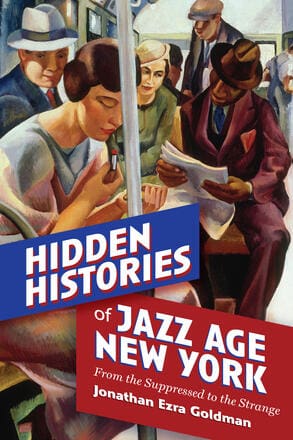
‘Hidden Histories of Jazz Age New York’ Reveals the Stories Behind 1920s New York
The glitz and glamour of the Roaring Twenties often dominate how we remember 1920s New York City, but “Hidden Histories of Jazz Age New York” offers a more complicated portrait of the era.
Author Jonathan Ezra Goldman takes readers beyond the familiar stories of the Harlem Renaissance, Prohibition and booming consumer culture, exploring the everyday experiences of communities often left out of traditional accounts. His whirlwind tour includes an all-female police platoon, a Black amusement park that was shut down before opening, an Arabic literary salon, socialist Puerto Rican cigar factories, Chinatown funerals and lesbian cafes.
The book also examines overcrowded jails, toxic dumps, Ku Klux Klan recruitment offices and the impact of immigration restrictions, Jim Crow practices and political repression.
Alongside these lesser-known stories are anecdotes involving figures such as Marcus Garvey, Dorothy Parker and Babe Ruth. By connecting personal experiences to sweeping historical events, Goldman shows how the challenges of 1920s New York continue to resonate in the 21st century.
‘Confronting Racism’ Examines Arthur Garfield Hays’ Fight for Equality
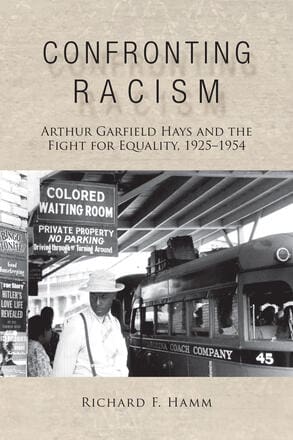
Richard F. Hamm’s “Confronting Racism: Arthur Garfield Hays and the Fight for Equality, 1925–1954” examines the career of a prominent corporate lawyer and civil libertarian who challenged racial discrimination during a pivotal period in American history.
Beginning in 1925, Arthur Garfield Hays became involved in battles against segregation and discrimination. Hamm explores Hays’ work on the mayor’s commission investigating the 1935 Harlem riot, his role in a 1937 Westchester County case involving restrictive housing covenants and his representation of a challenger to the segregated military draft during World War II.
Hays also played a role in efforts to end the exclusion of African Americans from the American Bar Association. At the same time, his commitment to civil liberties was shaped by conservative economic views and concerns about government intervention in private affairs.
Hamm uses Hays’ career to examine both the possibilities and limitations of interracial cooperation during the long civil rights era. The book also connects Hays’ legal battles to issues that remain part of the national conversation, including housing discrimination, racial barriers in professional organizations, military discrimination and police treatment of African Americans.
“Confronting Racism” was published in hardcover in December 2025, with a paperback edition released in July 2026.