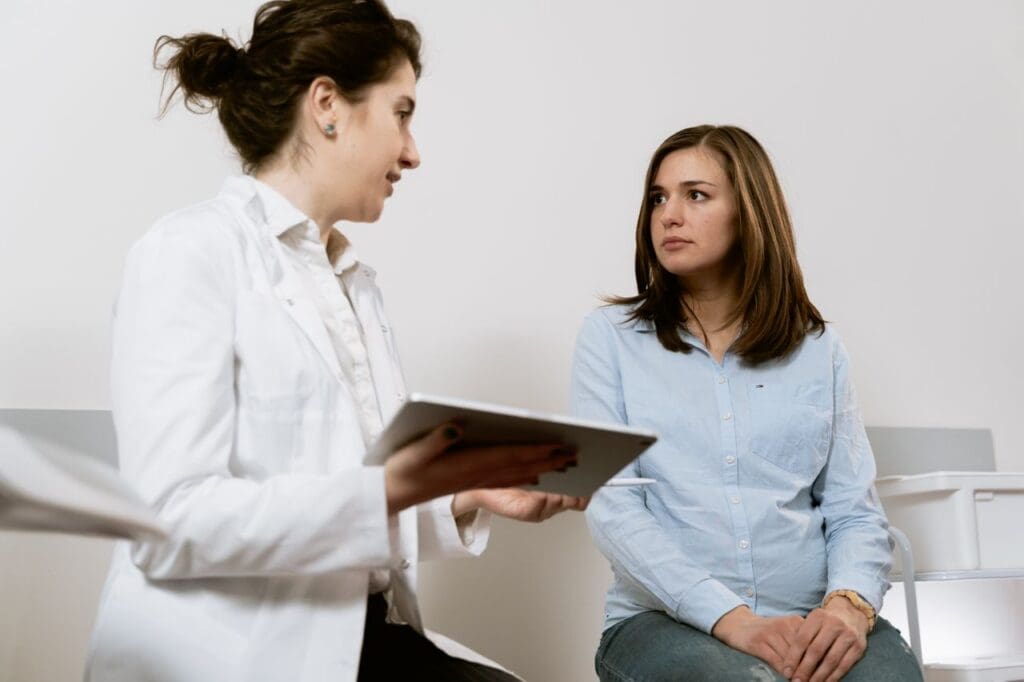
For many women, an annual checkup is a routine part of staying healthy. But knowing which screenings to discuss with a healthcare provider—and when to start them—can be just as important.
According to Dr. Donna Adams-Pickett, a board-certified OB/GYN with more than two decades of experience caring for women, preventive healthcare should begin before symptoms appear. Understanding important health screenings can help women have informed conversations with their doctors and identify potential concerns earlier.
Some screenings become particularly important before age 50. For women at average risk, mammograms may begin at 40, while colorectal cancer screening generally begins at 45. Other screenings focus on cardiovascular health, diabetes, bone health and overall well-being.
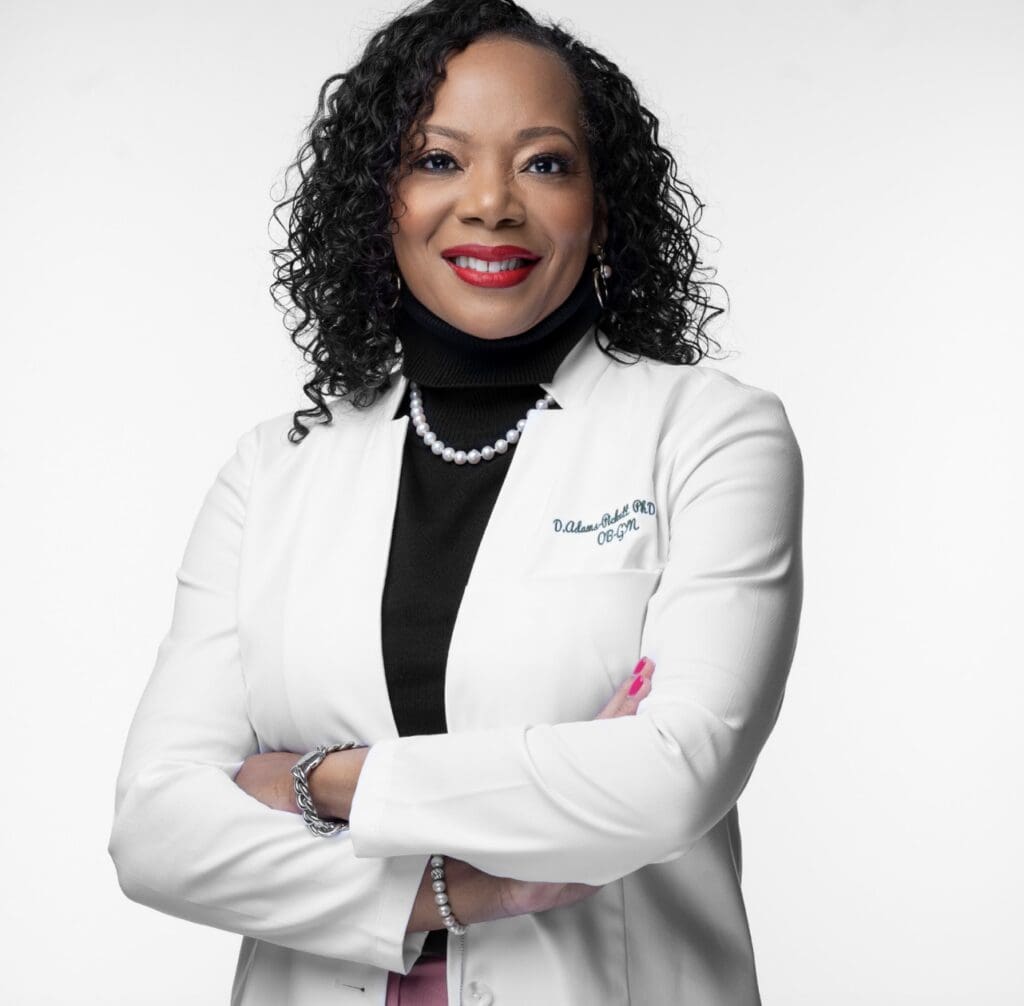
Dr. Adams-Pickett highlights 10 health screenings women should know about:
1. Mammogram and breast cancer screening
Breast cancer screening can help detect changes before symptoms develop. Women should discuss when to begin and how often to screen with their healthcare providers.
2. Pap and HPV testing
These screenings help assess the risk of cervical cancer and can identify abnormal changes that may require follow-up.
3. Blood pressure screening
Regular blood pressure checks can help identify hypertension, a condition that may not cause noticeable symptoms.
4. Cholesterol screening
Cholesterol testing provides information about cardiovascular health and can help identify potential risk factors for heart disease.
5. Blood glucose and diabetes screening
Blood glucose testing can help identify elevated blood sugar and potential signs of diabetes or prediabetes.
6. Colorectal cancer screening
For average-risk adults, colorectal cancer screening begins at 45. Several screening methods are available, making it important to discuss appropriate options with a healthcare provider.
7. Bone density and osteoporosis screening
Bone health becomes increasingly important with age. Screening can help assess the risk of osteoporosis and fractures when appropriate.
8. Mental health screening
Mental health is an important part of overall health. Screening can help identify concerns that may otherwise go unrecognized.
9. Sexually transmitted infection screening
Depending on individual circumstances and risk factors, STI testing may be an important component of preventive healthcare.
10. Skin cancer risk assessment and screening
Women should discuss skin cancer risk with their healthcare providers and determine whether screening is appropriate based on their individual history and risk factors.
To help women prepare for these conversations, Dr. Adams-Pickett has created The Health Conversations Women Need Before 50, a free downloadable guide designed to help women better understand their health and prepare for discussions with their healthcare providers.
Preventive care is not simply about checking boxes during an annual visit. It is also about knowing which questions to ask and making sure important screenings are part of the conversation.