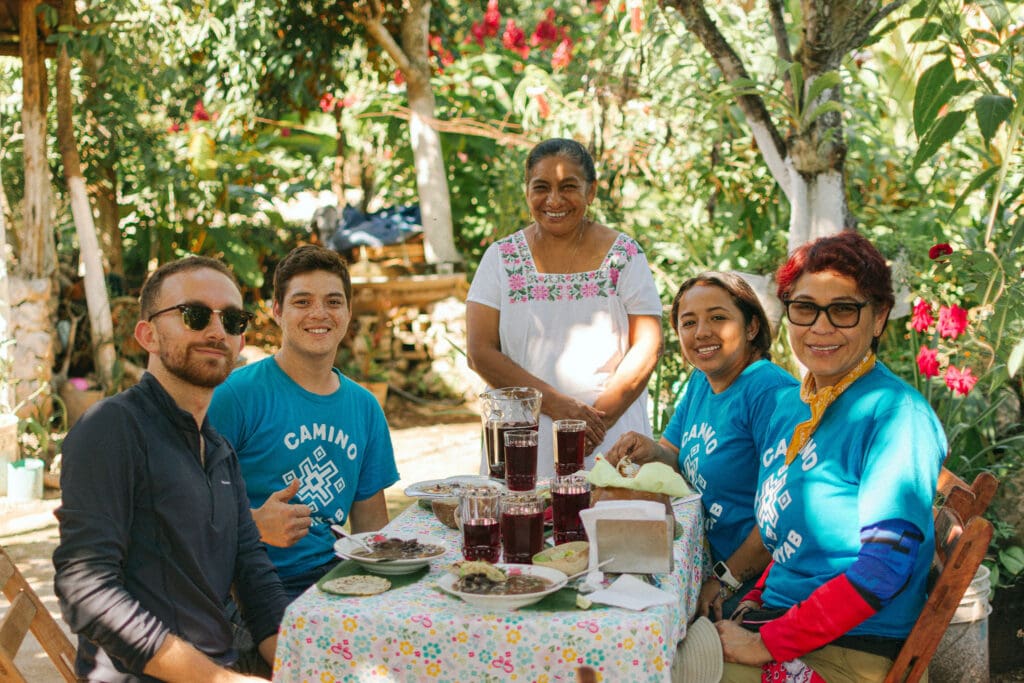
Mexico is inviting travelers to experience the country beyond its famous beaches and resorts, placing Indigenous communities, local traditions, outdoor adventure and cultural experiences at the center of a new tourism strategy.
The national initiative establishes community-based tourism as a public-interest activity and national priority, with a focus on strengthening local economies while protecting Mexico’s natural and cultural heritage.
The program initially highlights three destinations: Maya Ka’an in Quintana Roo, Camino del Mayab in Yucatán and Pueblos Mancomunados in Oaxaca. Together, the destinations offer travelers opportunities to explore forests, cenotes and mountains, connect with Indigenous communities, experience traditional cuisine and learn about local arts and crafts.
The National Tourism Development Fund, known as Fonatur, will coordinate the initiative and direct investment toward infrastructure, tourism facilities and services. The goal is to develop destinations where local cooperatives and community-based businesses play a central role in the visitor economy.
For travelers from the United States and Canada, the initiative provides another way to discover Mexico while tapping into growing interest in nature, active travel, culinary experiences and more meaningful connections with local communities.
In Quintana Roo, Maya Ka’an encompasses 76 communities across Felipe Carrillo Puerto and José María Morelos. The destination combines low-impact ecotourism, heritage trails and craft workshops within a living Maya landscape. Fonatur and the state signed an agreement in August committing 20 million pesos toward signage, public-space improvements and the development of the Guerra de Castas historical route.
Camino del Mayab in Yucatán connects rural communities, cenotes and nature reserves through sustainable trails designed for hiking and cycling. Federal and state authorities are working on trail infrastructure, maintenance, planning and international promotion.
In Oaxaca’s Sierra Norte, Pueblos Mancomunados represents one of Mexico’s longstanding examples of community-owned tourism. The alliance of eight mountain villages offers hiking and mountain biking experiences across high-altitude terrain, with tourism managed through local community assemblies. A new agreement with Fonatur directs infrastructure investments based on priorities established by those communities.
The strategy also brings together several forms of experiential travel. Ecotourism and outdoor adventures allow visitors to explore natural environments while supporting local conservation efforts. Culinary tourism connects travelers with traditional cooks, farmers and food producers, turning meals into an introduction to regional identity and agricultural traditions.
Creative tourism offers another way to engage, with visitors learning directly from artisans about traditional techniques, materials and cultural history rather than simply purchasing finished products.
At its core, Mexico’s community tourism initiative encourages travelers to become participants rather than simply tourists. By putting communities at the center of the visitor experience, the country is creating a model designed to generate economic opportunities while preserving the ecosystems, traditions and cultural identities that make these destinations unique.