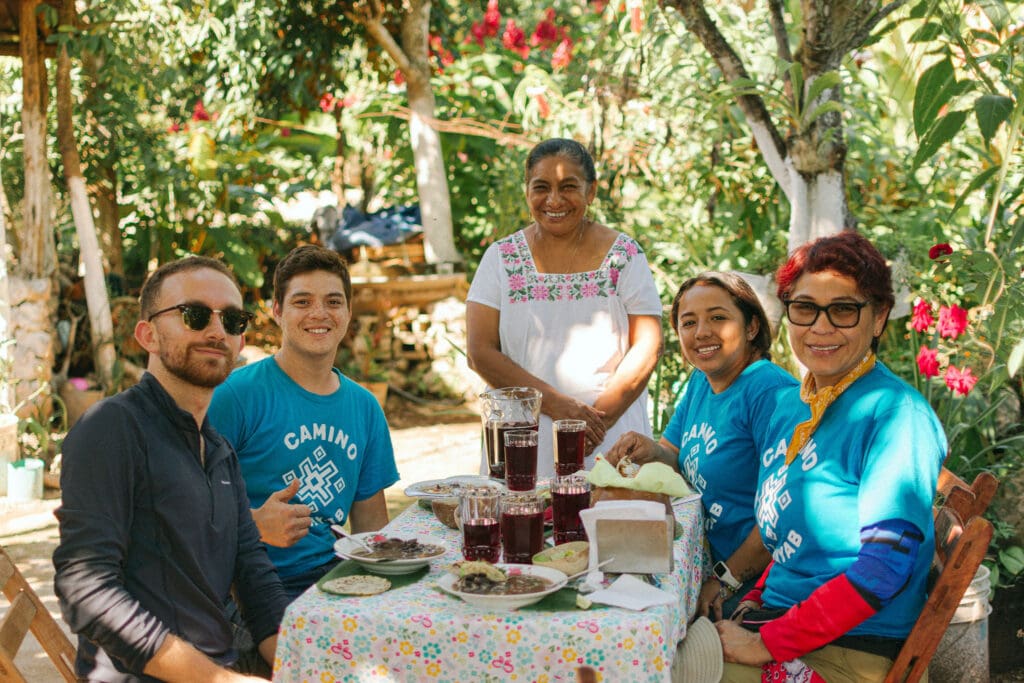
Mexico is expanding the way travelers experience the country by placing community-based tourism at the heart of a new national strategy. The initiative aims to connect visitors with local communities, Indigenous traditions, natural landscapes, foodways and creative experiences while strengthening local economies and protecting Mexico’s cultural and environmental heritage.
Rather than focusing exclusively on the country’s well-known beaches and resort destinations, the program highlights opportunities to hike through Indigenous-managed forests, learn traditional recipes, visit artisan workshops, cycle between rural communities and explore protected landscapes with the people who have cared for them for generations.
Community-based tourism has been designated an activity of public interest and a national priority, establishing a framework for developing destinations where local cooperatives and community enterprises play a central role in tourism.
The National Tourism Development Fund, known as Fonatur, will coordinate the initiative and direct investments toward infrastructure, tourism facilities and services. The initial focus is on three destinations that demonstrate the range of experiences available through community tourism: Maya Ka’an in Quintana Roo, Camino del Mayab in Yucatán and Pueblos Mancomunados in Oaxaca.
In Quintana Roo, Maya Ka’an offers an alternative to the state’s major Caribbean resort corridors. The destination encompasses 76 communities across Felipe Carrillo Puerto and José María Morelos, where travelers can experience low-impact ecotourism, heritage trails, traditional crafts and Maya culture. Fonatur and the state signed an agreement in August committing 20 million pesos to improvements including signage, public spaces, urban revitalization and the development of the Guerra de Castas historical route.
Camino del Mayab in Yucatán offers another way to explore the peninsula. The regional network connects rural communities, cenotes and nature reserves through sustainable trails designed for hiking and cycling. Authorities are working on trail planning, infrastructure, maintenance and international promotion as they develop the area as a leading community tourism destination.
In Oaxaca’s Sierra Norte, Pueblos Mancomunados represents one of Mexico’s longstanding examples of community-owned tourism. The alliance of eight villages offers mountain hiking and biking experiences managed through local assembly governance. New infrastructure investments are being directed according to priorities established by the communities themselves.
For travelers from the United States and Canada, the initiative provides another way to explore Mexico beyond traditional resort tourism. It also reflects growing interest in nature, outdoor adventure, food, culture and experiences that create deeper connections with local communities.
By placing residents at the center of tourism development, Mexico is seeking to create travel experiences that benefit visitors while ensuring that the communities, traditions and landscapes behind those experiences remain central to the country’s tourism future.