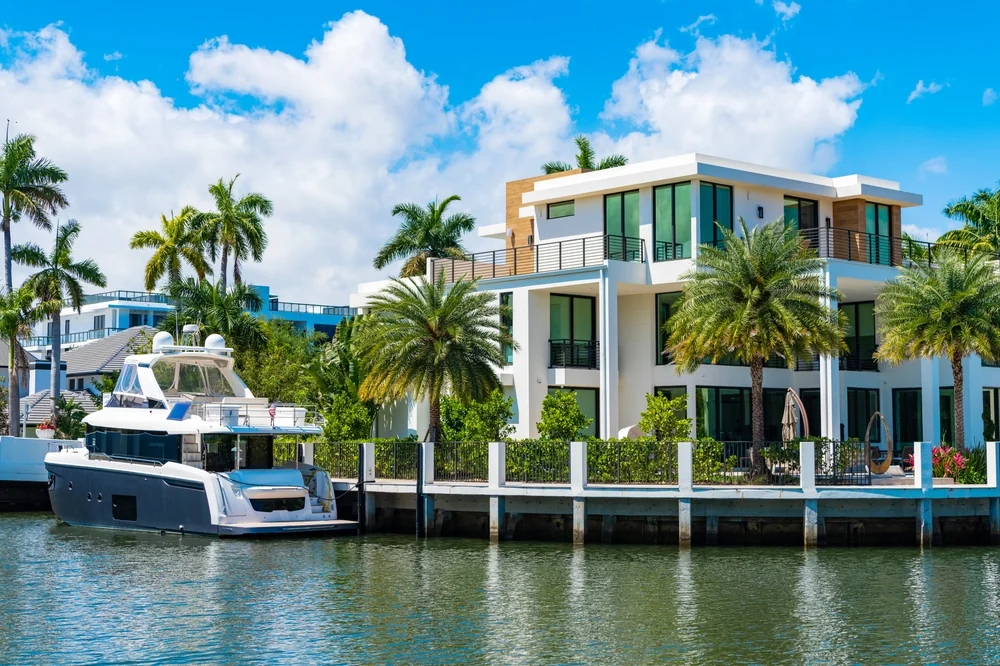
With housing affordability continuing to challenge renters and prospective homeowners across the country, a new analysis of U.S. Census Bureau data is raising questions about the role vacation properties play in local housing markets. The New York metropolitan area has more than 185,000 homes designated for seasonal, recreational or occasional use, placing it among the nation’s major vacation-home markets.
According to a report by SellMyTimeshareNow, the New York metro area has approximately 185,315 vacation homes, representing 2.3% of its total housing stock. That concentration ranks 14th among large U.S. metropolitan areas.
The findings come as mortgage rates have climbed to 7.28%, their highest level in nearly three years, adding pressure to an already challenging housing environment. For households struggling to purchase homes or keep up with monthly rent, the amount of housing reserved for occasional use raises questions about availability and affordability.
The analysis also examined the financial pressures facing renters in the New York region. According to the latest Census data cited in the report, 52.4% of metro-area renters are considered cost-burdened, meaning they spend at least 30% of their household income on rent.
The contrast between the vacation-home market and renter affordability highlights the competing demands within the region’s housing landscape. While second homes provide recreational opportunities and serve as investments for their owners, properties occupied for only part of the year may represent housing that could otherwise accommodate year-round residents.
This issue can be particularly significant in communities where housing inventory is limited and demand remains high. When homes are reserved for seasonal or occasional use, fewer properties may be available to people seeking permanent residences, potentially adding pressure to local housing markets.
SellMyTimeshareNow’s research extends beyond New York, examining more than 900 metropolitan areas and all 50 states. The report evaluates the percentage of homes used as vacation properties, total vacation-home inventory, overall housing supply, median home price-to-income ratios and the percentage of renters facing housing cost burdens.
The broader findings offer a look at how vacation housing intersects with affordability challenges in different parts of the country.
For the New York metropolitan area, the numbers underscore a complicated housing picture: more than half of renters are spending a substantial portion of their income on housing, while more than 185,000 properties are classified as vacation homes.
Although the figures do not establish that second-home ownership directly causes higher housing costs, they provide another measure of the competing pressures shaping the region’s residential market.
Read the full analysis from SellMyTimeshareNow.