Psychotherapist Connie Jones is drawing on her own experiences with childhood trauma and more than three decades of clinical work to help readers better understand how painful experiences can shape the brain, nervous system and behavior.
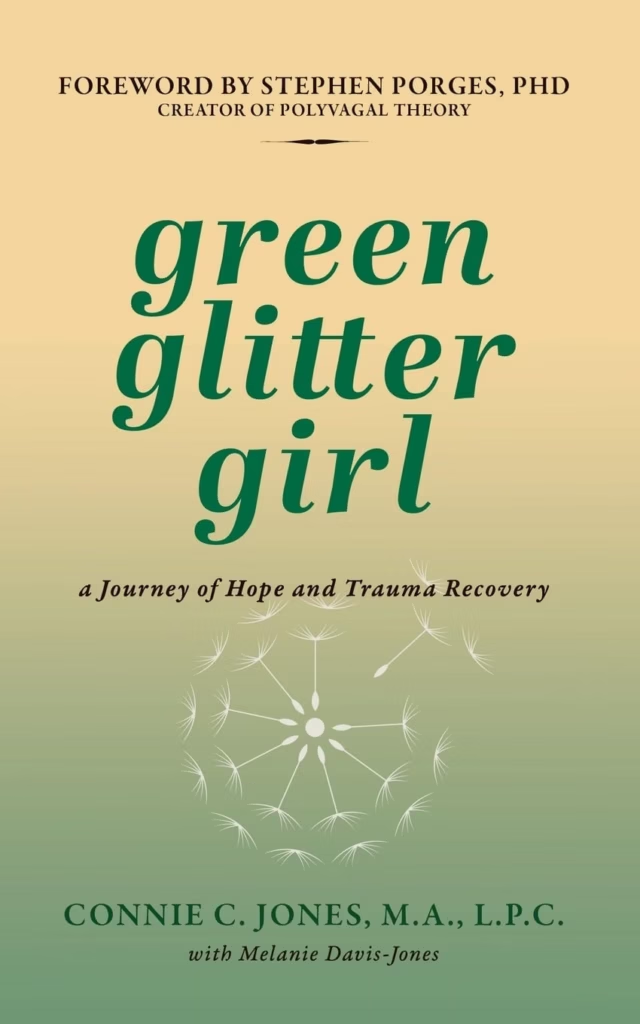
In her new book, Green Glitter Girl: A Journey of Hope and Trauma Recovery, Jones combines her personal story with insights into the neurobiology of extreme stress, offering readers a perspective on why trauma can leave people feeling trapped in patterns that are difficult to break.
Jones was just 3 years old when she witnessed the death of her younger sister. Born to parents struggling with severe depression, she later experienced abuse, neglect and medical emergencies that continued into adulthood.
Years later, while working as a psychotherapist, Jones began recognizing connections between her early experiences and the ways trauma can influence the nervous system. Her clinical work also helped her understand how prolonged stress can affect a person’s sense of safety, relationships and ability to respond to everyday situations.
Through Green Glitter Girl, Jones explores why recovery involves more than simply moving beyond painful memories. She examines how trauma can affect the body and mind, and how greater awareness of those responses can help individuals develop self-compassion and begin changing long-standing behaviors.
“I want to instill hope that, although readers may feel overwhelmed and stuck within their limited beliefs and self-sabotaging habits, they can be free from them,” Jones said.
The book also emphasizes the nervous system’s capacity to adapt and recover. Stephen Porges, Ph.D., creator of Polyvagal Theory, wrote the foreword, describing the book as an illustration of the human nervous system’s ability to adapt, survive and ultimately heal.
Jones hopes the combination of personal experience and professional knowledge will help readers recognize that their responses to trauma are not necessarily permanent. Understanding how the nervous system reacts to extreme stress, she suggests, can be an important step toward developing healthier patterns and reclaiming a sense of connection and personal agency.
A graduate of Duke University with a degree in psychology, Jones has spent 34 years working as a psychotherapist. She developed an individualized approach to treatment through her private practice and has worked with patients navigating their own experiences of trauma.
Published by Torchflame Books, Green Glitter Girl: A Journey of Hope and Trauma Recovery is available through Amazon. More information about the author and book can be found at GreenGlitterGirl.com.
For Jones, the book is ultimately an invitation to approach healing with greater understanding, patience and hope.