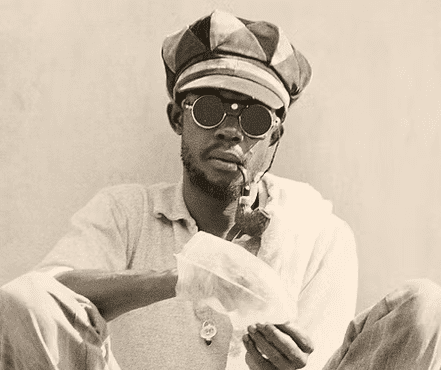
Fifty years after reggae icon Peter Tosh shook the world with Legalize It, his daughter, Niambe McIntosh, is carrying that rebellious spirit into a new fight — rebuilding communities in Jamaica through long-term development instead of temporary charity.
As head of the Peter Tosh Foundation, McIntosh has transformed her father’s message from political protest into a framework for economic resilience and cultural restoration in Belmont–Bluefields, Westmoreland, the area tied to the Foundation’s Peter Tosh Town project.
The effort became even more urgent after Hurricane Melissa devastated parts of the region last October, damaging homes, infrastructure, and livelihoods. But rather than treating the storm as a stand-alone disaster requiring short-term aid, the Foundation used the moment to deepen its broader mission: empowering residents through education, cultural investment, and sustainable economic opportunities rooted in local leadership.
At the center of that vision is “Can’t Blame the Youth,” a scholarship initiative inspired by Peter Tosh’s classic song criticizing systemic inequality and failed institutions. The program aims to support young Jamaicans while helping preserve the cultural identity of the community that shaped Tosh’s revolutionary music.
For McIntosh, the work is deeply personal.
Her family’s history — including decades of fallout from the global drug war and the death of her brother Jawara — has shaped how she views philanthropy and justice. She argues that conversations about cannabis legalization and economic reform cannot stop at policy changes alone.
“Legalization without repair” is not enough, she believes, especially for communities historically harmed by criminalization, poverty, and neglect.
That philosophy is guiding the Foundation’s approach in Jamaica. Instead of parachuting in with one-time donations, the organization is focused on rebuilding cultural infrastructure, strengthening local economies, and creating systems designed to last beyond media attention or disaster cycles.
The project also taps into diaspora support networks and the enduring global power of artist legacies. Decades after Peter Tosh became one of reggae’s most fearless political voices, his music continues to generate not just cultural influence, but tangible community investment.
The Peter Tosh Town initiative reflects a growing shift in philanthropy: moving away from reactive aid toward locally anchored development shaped by the people most affected.
For McIntosh, preserving her father’s legacy is about more than music history. It is about proving that protest can evolve into policy, culture can fuel economic recovery, and communities can rebuild on their own terms.