As Europe braces for another packed summer travel season, a major shift is about to reshape how visitors enter the region. Beginning April 10, the European Union’s new Entry/Exit System (EES) began requiring biometric registration for non-EU travelers entering the Schengen Area for the first time — a move expected to slow arrivals at already congested Western European airports.
For travelers weary of long lines and overcrowded hotspots, one city is quietly positioning itself as a smarter alternative: Vilnius.
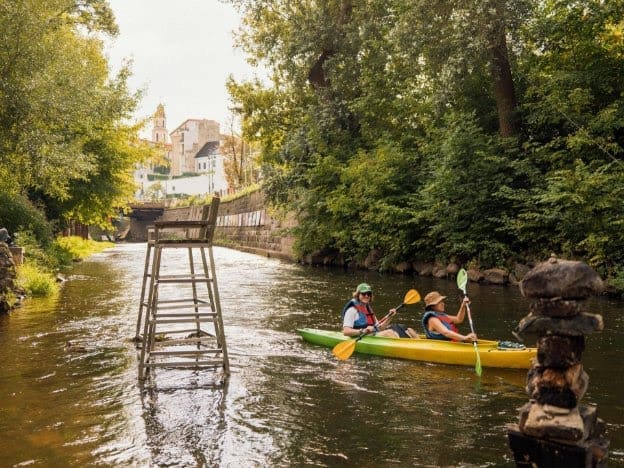
The Lithuanian capital is gaining attention not just for its ease of access, but for something far rarer in Europe’s urban landscape — space. Ranked as the second-greenest city in the world behind Oslo, Vilnius boasts an impressive 61% green coverage, earning it the nickname “a city in a forest.” The European Commission also named it European Green Capital for 2025, cementing its reputation as a destination where nature and city life coexist seamlessly.
Unlike many capitals where escaping into nature requires a long drive, Vilnius integrates greenery into everyday life. Visitors can experience forest bathing — the Japanese practice known as shinrin-yoku — without ever leaving the city limits. Tree-lined parks, riverside paths, and urban forests create an environment that feels restorative rather than overwhelming.
But Vilnius isn’t just about slowing down. Its cultural calendar is surprisingly dynamic, offering a range of events that feel both local and globally relevant. The annual New Baltic Dance (April 23–25) celebrates contemporary performance, while Open House Vilnius (May 16–17) opens the doors to more than 140 architecturally significant buildings across the city.
Music lovers can tap into Vilnius Mama Jazz (May 22–24), featuring international acts, while runners take on the cobblestone streets during the Vilnius Half Marathon (May 23). Then there’s the crowd-favorite Vilnius Pink Soup Fest (May 29–31), a quirky, citywide celebration of Lithuania’s iconic cold beet soup, šaltibarščiai
The season continues with Culture Night (June 12), transforming the city into a sprawling open-air gallery of performances and installations, followed by the Lithuanian Youth Song Festival (July 3–6), which brings together tens of thousands of performers in a powerful display of Baltic cultural heritage.
As travel trends shift toward sustainability, wellness, and less crowded destinations, Vilnius offers a compelling alternative to Europe’s usual suspects. It’s a place where you can land without chaos, explore without crowds, and still feel like you’ve discovered something vibrant, alive — and refreshingly under the radar.