When tragedy strikes, many people are left asking a painful question: Could I have done more?
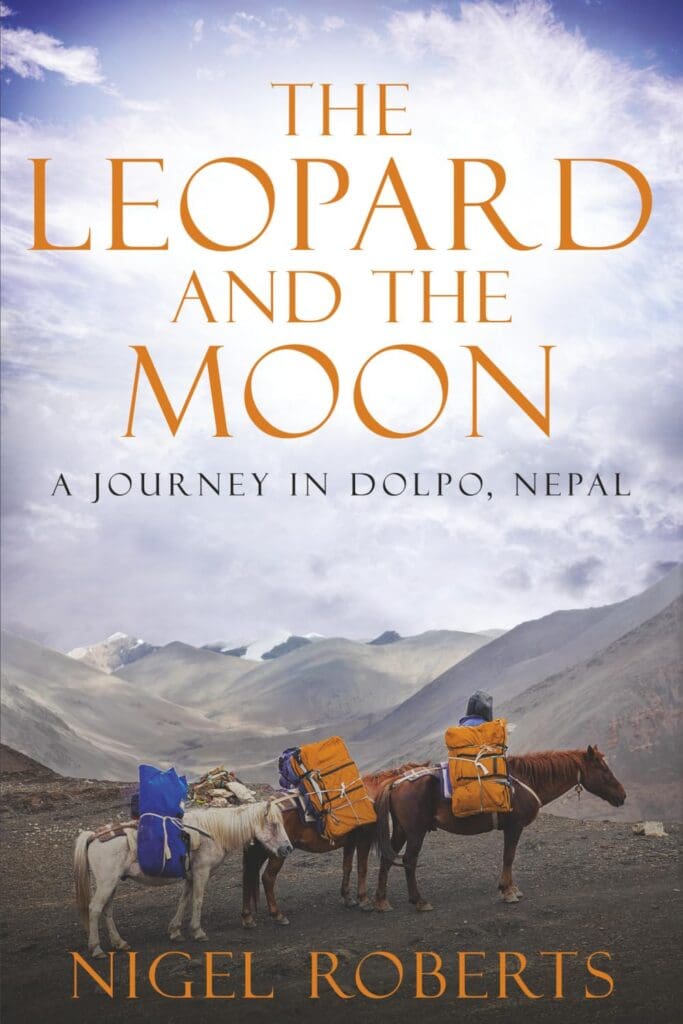
For Nigel Roberts, that question lingered for years after the deaths of his daughter and wife. Seeking answers, the former World Bank director embarked on an extraordinary two-month, 450-mile trek through one of the most remote regions of Nepal, a journey that would ultimately become the foundation of his new memoir, The Leopard and the Moon: A Journey in Dolpo, Nepal.
At age 65, Roberts set out across the rugged landscapes of Dolpo, a sparsely populated Himalayan region known for its breathtaking beauty, harsh terrain, and spiritual significance. But while the physical challenge was immense, the emotional journey proved even more demanding.
Roberts’ daughter, Tess, died at the age of 25 after living with bipolar disorder. Four years later, his wife, Mandana, passed away following her own struggles with bipolar disorder and addiction. Their losses left Roberts grappling with grief, guilt, and the haunting uncertainty that often follows family tragedy.
Rather than offering simple answers or easy lessons, The Leopard and the Moon explores the difficult realities of loss and the human tendency to revisit past decisions in search of understanding.
As Roberts traverses mountain passes, remote villages, and ancient trails, memories of his wife and daughter accompany him. The journey becomes a deeply personal examination of love, responsibility, and the complicated emotions that emerge after devastating loss.
The route itself carries literary significance. Roberts retraces paths made famous by acclaimed naturalist and writer Peter Matthiessen in The Snow Leopard and wildlife biologist George Schaller in Stones of Silence. Along the way, he reflects not only on his personal experiences but also on Nepal’s history, culture, and dramatic transformation over the decades.
The memoir blends travel writing with emotional introspection, creating a narrative that resonates far beyond the Himalayan setting. While the book chronicles a challenging expedition through one of the world’s most isolated regions, its central themes are universal.
Readers who have experienced grief, loss, or lingering self-doubt may recognize themselves in Roberts’ reflections. His story speaks to the difficult process of carrying unanswered questions while continuing to move forward.
Acclaimed author Meg Rosoff has praised the memoir as a moving story of tragedy, perseverance, and love, while George Schaller commended Roberts’ vivid descriptions of Nepal’s landscapes and people.
Ultimately, The Leopard and the Moon is not simply a travel memoir. It is a meditation on memory, resilience, and the enduring search for meaning after life’s most heartbreaking moments.