Feeling nervous before a presentation, job interview, or important meeting is a normal part of professional life. But for millions of workers, workplace anxiety goes far beyond occasional nerves, creating a cycle that can quietly undermine confidence, career growth, and overall well-being.
According to psychotherapist Jonathan Berent, one of the biggest mistakes people make when dealing with workplace anxiety is trying to avoid the situations that trigger it.
“Many people believe avoidance will reduce anxiety,” Berent says. “In reality, avoidance often strengthens it.”
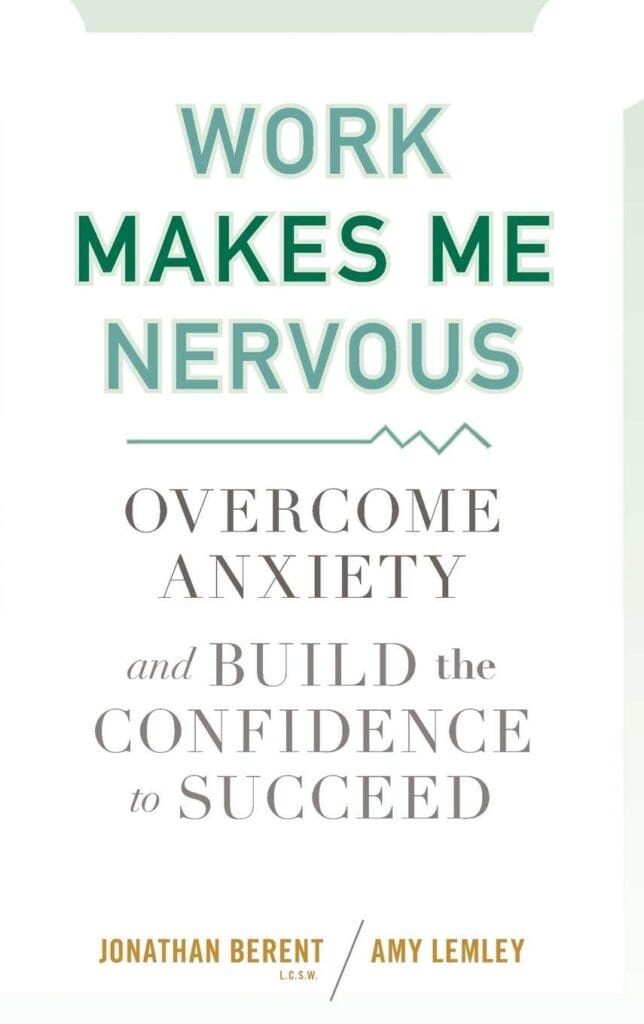
Berent, who has spent more than 45 years specializing in social anxiety disorders and has accumulated over 50,000 hours of clinical experience, explores this issue in his book, Work Makes Me Nervous: Overcome Anxiety and Build the Confidence to Succeed.
His central argument is simple but powerful: anxiety tends to grow when people repeatedly avoid situations that make them uncomfortable. Whether it’s speaking during meetings, networking with colleagues, giving presentations, or pursuing leadership opportunities, avoiding these experiences may provide temporary relief but often reinforces fear over time.
The result is a cycle in which anxiety becomes increasingly difficult to overcome.
Berent argues that breaking that pattern requires action rather than retreat. His book outlines a structured 21-day program designed to help professionals gradually build confidence through intentional practice, self-awareness, and exposure to challenging situations.
Rather than promising instant results or relying on motivational slogans, the program focuses on practical techniques aimed at helping individuals understand how anxiety operates and how to respond more effectively when it arises.
Among the topics covered are identifying personal anxiety triggers, managing adrenaline responses, improving mental performance under pressure, and developing habits that support long-term resilience.
One of Berent’s key observations is that workplace anxiety often persists because many people never seek help. Feelings of embarrassment or fear of judgment can prevent individuals from discussing the issue openly, even when it affects their careers and personal lives.
The book includes case studies involving professionals at various stages of their careers, from entry-level employees to senior executives, illustrating how performance anxiety can affect anyone regardless of experience or success.
As workplace expectations continue to evolve and employees face increasing pressure to perform, communicate, and adapt, conversations about professional anxiety are becoming more common.
Berent believes that overcoming workplace anxiety begins with recognizing that confidence is not something people are born with—it’s something they develop through repeated action.
For professionals feeling trapped by fear or self-doubt, his message is clear: avoiding anxiety may feel safe in the moment, but growth happens when people choose to face it instead.