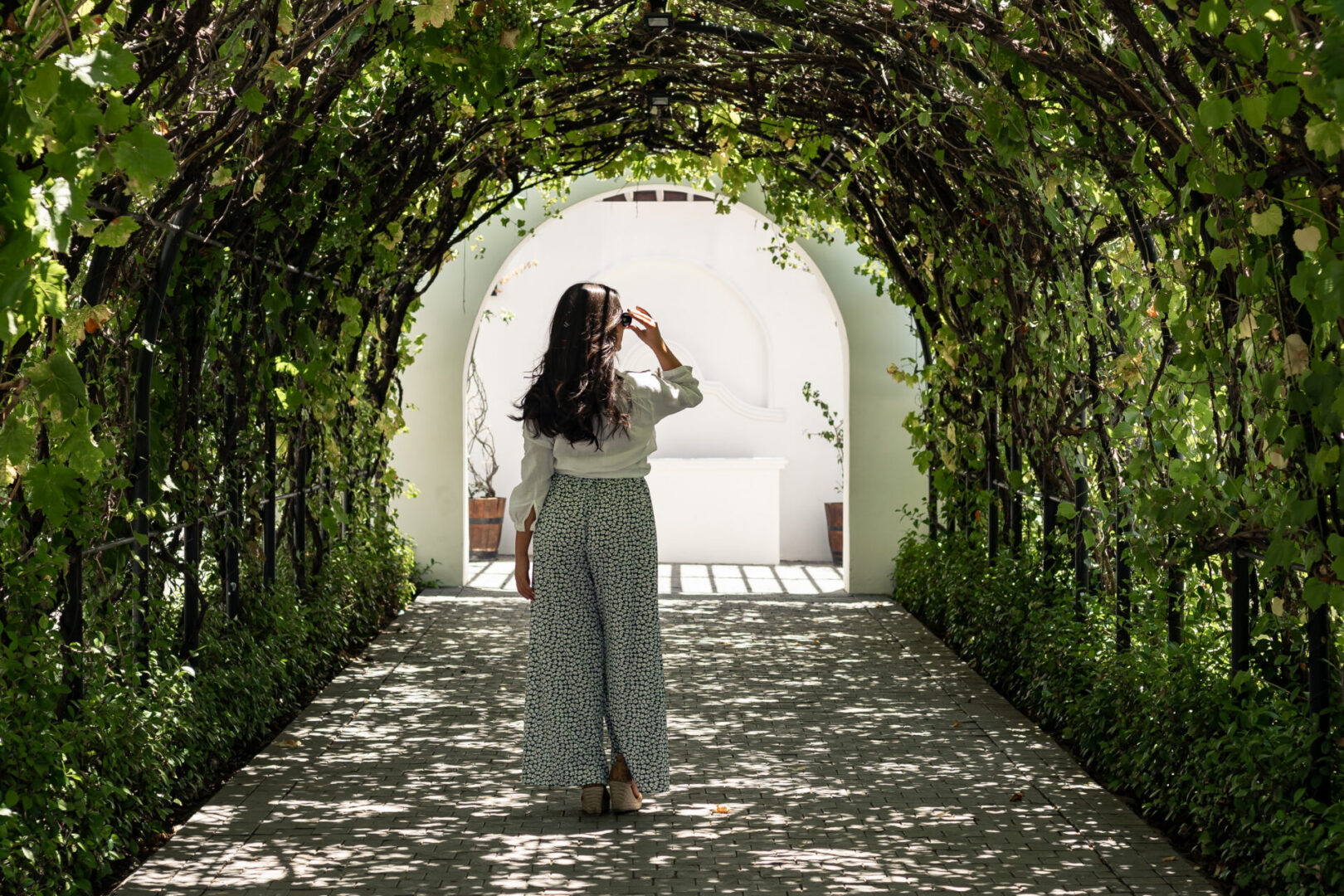
For travelers who find traditional museums a little too quiet or predictable, a town in South Africa’s Great Karoo is offering a different way to experience the past—one where history unfolds on every street corner.
Robert Sobukwe, formerly known as Graaff-Reinet, is emerging as one of South Africa’s most compelling heritage destinations, inviting visitors to immerse themselves in centuries of history through architecture, landscapes, and cultural landmarks rather than display cases and exhibits.
Located in the Eastern Cape, the town is South Africa’s fourth-oldest settlement and is increasingly being recognized as a “living museum,” where history is woven into daily life.
Unlike conventional museums that separate visitors from artifacts, Robert Sobukwe encourages exploration through what tourism officials describe as a curated heritage trail. Walking through the town reveals more than 200 declared national monuments, many of which remain remarkably preserved.
One of the most striking landmarks is the Dutch Reformed Church, known locally as the Grootkerk. Inspired by England’s Salisbury Cathedral, the Neo-Gothic structure rises dramatically above the Karoo landscape, its towering spire serving as a visual reminder of the town’s rich architectural legacy.
Just a short stroll away stands Reinet House, a beautifully preserved Cape Dutch parsonage dating back to the early 1800s. Once home to local clergy, the property now offers visitors a glimpse into everyday life during South Africa’s colonial era. Historic furnishings, antique clocks, and even a Black Acorn grapevine planted in 1870 help create an atmosphere that feels frozen in time.
But perhaps the most unique stop on the heritage trail is the historic Drostdy Hotel. Originally built in 1804 as the residence and administrative headquarters of the local magistrate, the building has evolved over more than two centuries into a luxury hotel that celebrates its past while embracing modern hospitality.
Guests can wander through restored courtyards and historic cottages that once housed workers and artisans, gaining insight into the social and cultural fabric of 19th-century Karoo life.
As travelers increasingly seek meaningful and immersive experiences, destinations like Robert Sobukwe are benefiting from the rise of slow travel, a movement focused on deeper cultural engagement rather than hurried sightseeing.
Here, visitors are encouraged to slow down, walk the historic streets, absorb the stories etched into centuries-old buildings, and connect with a living history that remains remarkably intact.
In the heart of the Karoo, the past isn’t locked behind glass. It’s still alive, waiting to be discovered one step at a time.