The days of racing through five countries in seven days may be coming to an end. A growing number of travelers are embracing “slow travel”—a movement focused on spending more time in fewer places, building connections with local communities, and experiencing destinations beyond the typical tourist checklist.
According to new research from travel eSIM company Saily, interest in slow travel is surging. Google searches related to the trend have jumped 100%, while 91% of travelers report wanting more intentional and less rushed travel experiences.
To identify the world’s best destinations for this emerging style of exploration, Saily analyzed 50 global cities and ranked them across five key categories: safety, ease of settling in, transportation, sense of belonging, and sightseeing opportunities.
The results reveal that Japan is dominating the slow-travel movement.
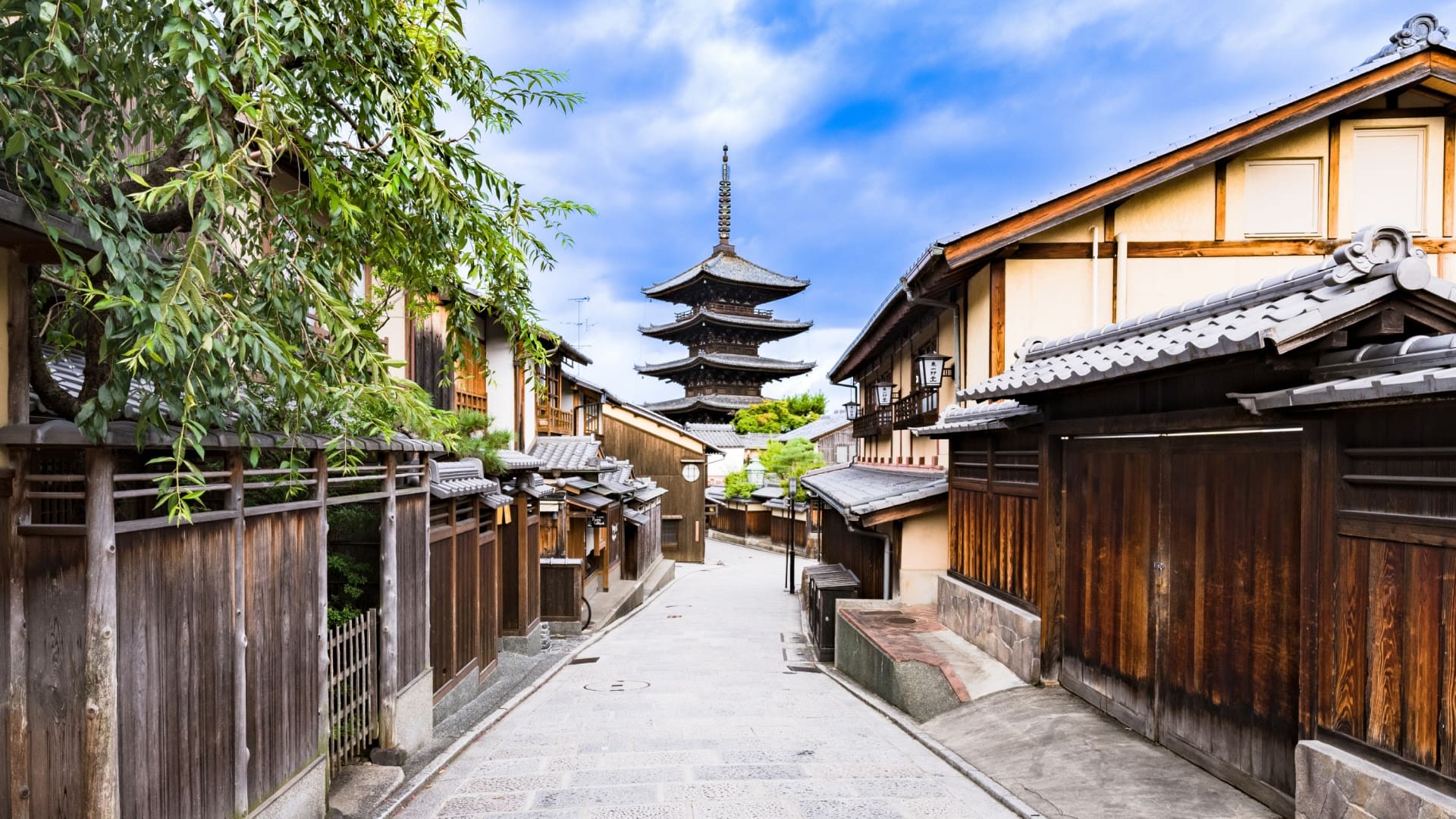
Topping the list is Kyoto, Japan, which earned the No. 1 spot thanks to its blend of affordability, reliable transportation, cultural attractions, and welcoming neighborhoods. Long celebrated for its temples and traditional architecture, Kyoto also offers travelers the opportunity to establish routines and immerse themselves in local life.
Japan claimed another top position with Fukuoka, ranked second overall. Unlike major tourist hubs, Fukuoka offers a more residential feel, making it ideal for travelers seeking an authentic daily experience rather than a packed sightseeing schedule.
Portugal also performed strongly, with Porto securing the third spot. Known for its walkable streets, local markets, riverside cafés, and relaxed pace of life, Porto provides visitors with the perfect environment to settle in and explore slowly.
Vienna, Austria, ranked fourth thanks to its combination of world-class cultural attractions, public transportation, and exceptional quality of life. Meanwhile, Hue, Vietnam, rounded out the top five with its affordability, strong sense of community, and opportunities for meaningful cultural immersion.
Other destinations making the top 10 include Tunis, Tunisia; Lisbon, Portugal; Kanazawa, Japan; Puebla, Mexico; and Tainan, Taiwan.
Experts say the appeal of slow travel extends beyond simply seeing fewer attractions. Studies suggest the approach may reduce stress, improve mental well-being, and encourage deeper cultural understanding. Rather than collecting passport stamps, travelers are increasingly looking to build genuine experiences through neighborhood cafés, local markets, and everyday interactions.
As travel habits continue to evolve, slow travel appears to be more than a passing trend. For many travelers, the goal is no longer to visit as many places as possible—but to truly get to know the places they choose.
And according to this new ranking, some of the world’s most rewarding experiences may come from slowing down long enough to stay awhile.
For more information visit saily.com