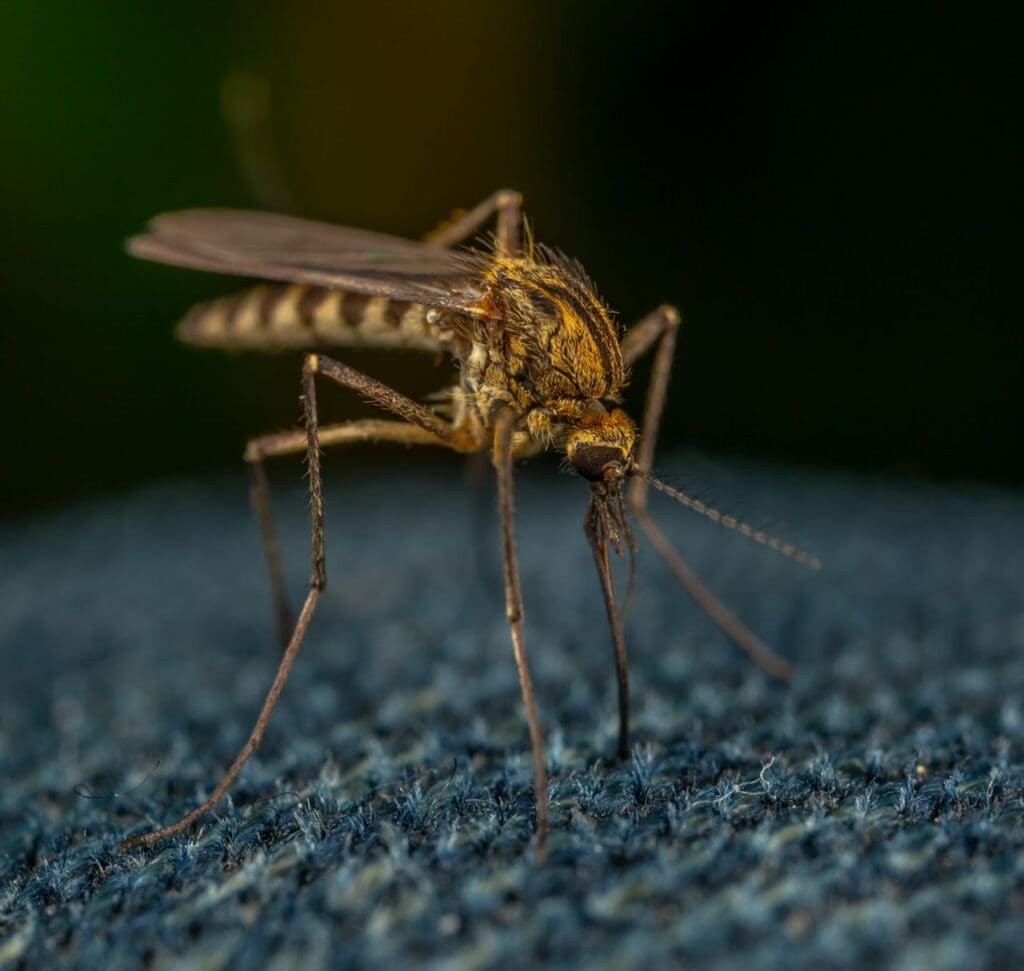
As millions of Americans prepare to travel internationally this summer, mosquito-borne illnesses are becoming an increasingly important health consideration for travelers. A new analysis examining travel health data highlights dengue, malaria and chikungunya among the diseases Americans should understand before heading overseas.
Medical experts at Drip Hydration analyzed CDC travel guidance, GeoSentinel surveillance data and U.S. public health records to identify the 10 travel-related illnesses Americans are most likely to encounter abroad. The analysis found that four of the top 10 travel health risks are mosquito-borne diseases.
Dengue stands out as one of the most significant concerns. According to the CDC, a record 3,798 dengue cases were reported in U.S. states and the District of Columbia in 2024, a 359% increase over the annual average recorded from 2010 through 2023. Of those cases, 97.2% were associated with recent travel.
Travel-associated dengue cases were most commonly linked to travel in the Caribbean, Mexico, Central America and other regions where the virus is circulating. The CDC also reported that more than one-third of patients with dengue in 2024 required hospitalization, underscoring the potential severity of the infection.
Malaria remains another major concern for international travelers. The United States typically reports approximately 2,000 malaria cases each year, with most infections occurring among people who acquired the disease while traveling in countries where malaria is endemic.
While malaria is not endemic in the United States, the disease has also demonstrated the potential for limited local transmission. In 2023, 10 locally acquired mosquito-transmitted malaria cases were reported across four states after more than two decades without documented local transmission.
Chikungunya is also being closely watched as cases continue to occur in popular destinations throughout the Caribbean and Latin America. Like dengue, the virus is transmitted primarily by infected mosquitoes and can cause fever and significant joint pain.
The findings serve as a reminder that international travelers should research health conditions at their destinations before departure rather than waiting until they become sick. CDC guidance recommends travelers consider destination-specific risks, vaccination or preventive medications when available, and strategies for avoiding mosquito bites.
Travelers can reduce exposure by using insect repellent, wearing long sleeves and pants when appropriate, and choosing accommodations with air conditioning or screened windows when possible. For destinations where malaria is present, travelers should speak with a healthcare professional before departure about whether preventive medication is appropriate.
With international travel continuing to rebound and mosquito-borne diseases affecting destinations around the world, preparation has become an important part of the vacation-planning process. A few precautions before departure can help travelers spend less time worrying about mosquitoes—and more time enjoying their trip.