The U.S. pet industry is projected to reach $165 billion in 2026, with wellness continuing to rank among its fastest-growing categories. As pet owners place greater emphasis on their animals’ health and well-being, spending on products designed to support everyday pet care is becoming an increasingly important part of the market.
Despite ongoing economic pressures, pet parents continue to prioritize spending on their animals, with wellness increasingly viewed as a core component of responsible pet care. That shift is also creating opportunities for companies outside the traditional pet industry to enter the market with products inspired by broader consumer wellness trends.
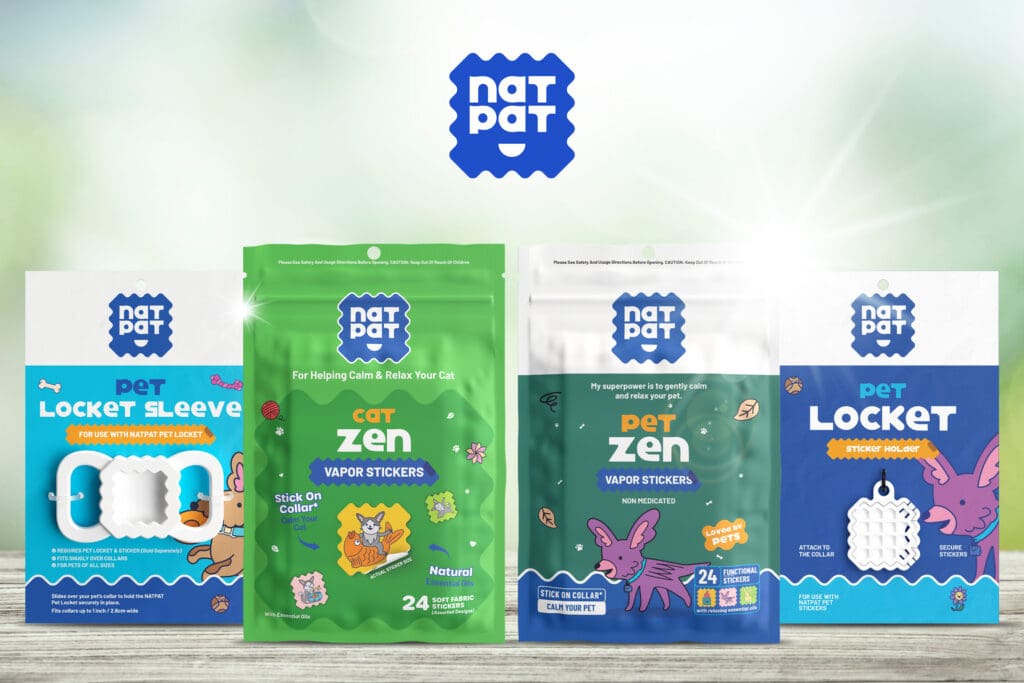
NATPAT, an international eight-figure wellness patch company known for insect-repelling and other wellness stickers, recently expanded into pet wellness following significant demand from its customers.
The company has developed a line of wearable, essential oil-infused wellness stickers for pets designed to address concerns including pet anxiety, training and focus, flea and tick prevention, and allergy relief. The products are available online through the company’s website and Amazon, as well as through Chewy.
The expansion reflects a broader trend in which pet products increasingly mirror the types of wellness solutions consumers seek for themselves. As pet owners become more attentive to their animals’ daily routines and overall well-being, companies are responding with products aimed at fitting seamlessly into modern lifestyles.
Michael Jankie, founder of NATPAT, can provide insight into the changing pet wellness landscape and the forces driving innovation within the category.
Among the topics he can discuss are why pet wellness has become one of the fastest-growing categories in consumer packaged goods, how consumer wellness trends are influencing pet product innovation, and the rise of “humanization” in pet care.
The humanization of pets has become an important factor in the evolution of the industry, as owners increasingly treat their animals as members of the family and seek products that reflect that relationship. That shift is influencing everything from nutrition and grooming to preventive care and wellness products.
For companies such as NATPAT, the growing demand for pet wellness represents an opportunity to bring established consumer wellness concepts into a rapidly expanding market. As spending continues to grow, pet wellness could become an increasingly significant part of the broader pet economy.