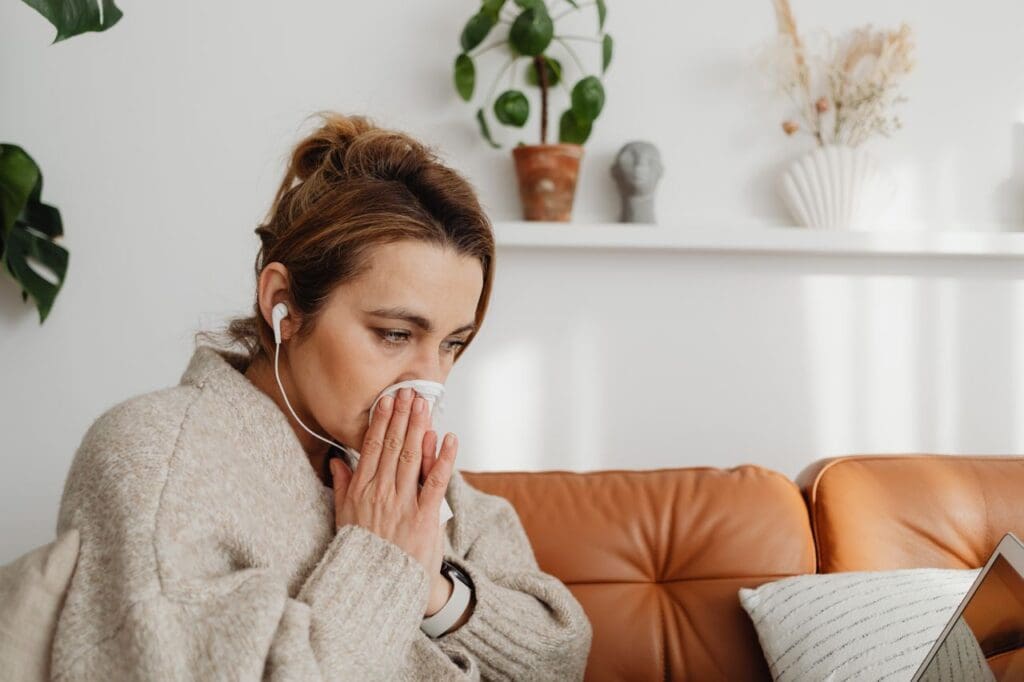
As temperatures cool and families settle into back-to-school routines, fall allergies are becoming a concern for people who may associate seasonal symptoms primarily with spring. Ragweed pollen, one of the most common fall allergens, can trigger sneezing, congestion, itchy eyes and a runny nose well into the season.
Unlike the common cold, seasonal allergies are an immune system response to airborne substances such as pollen. Symptoms can interfere with sleep, concentration and everyday activities, making it challenging for students, parents, teachers and outdoor enthusiasts to maintain their usual routines.
Ketu Patel, North America head of medical affairs for Allegra, says fall allergies deserve more attention because people may be less prepared for them than they are for spring allergy season.
Ragweed is a major contributor to fall allergy symptoms. A single ragweed plant can release large amounts of pollen, which can travel through the air and affect people far from the plant itself. Depending on the weather and geographic location, ragweed pollen can remain a problem into the fall months.
Recognizing the difference between allergies and a cold is another important consideration. Both can cause congestion and a runny nose, but allergies commonly produce itchy eyes, nose or throat and repeated sneezing. Colds may be accompanied by a sore throat, body aches or fever, which are not typical allergy symptoms. Allergy symptoms can also persist as long as a person remains exposed to the trigger.
Fall allergies can be particularly disruptive for students returning to classrooms and college campuses. Congestion, sneezing and poor sleep may affect concentration and make it harder to stay focused throughout the school day. Teachers and parents who experience symptoms may also find daily responsibilities more challenging.
Outdoor activities present additional concerns. Children participating in fall sports, families attending games and adults exercising outdoors can encounter pollen during practices, weekend outings and other recreational activities.
Experts recommend checking local pollen forecasts, keeping windows closed when pollen counts are high, showering and changing clothes after spending time outdoors, and washing bedding regularly. People experiencing persistent symptoms should consult a health care professional about appropriate treatment options.
For those seeking medication, Allegra offers fexofenadine, an antihistamine marketed for seasonal allergy relief. Its products include non-drowsy formulations designed to help manage symptoms without the sedation associated with some older antihistamines. Consumers should follow package directions and consult a health care professional or pharmacist with questions about suitability, interactions or dosing.
As fall progresses, allergy triggers may also shift indoors. Dust mites, mold and pet dander can become more noticeable as people spend more time inside, extending allergy concerns beyond ragweed season.
Understanding seasonal triggers and taking preventive steps can help families better manage symptoms and remain comfortable throughout the fall and winter months.