Leadership is often measured by how an organization performs when everything is running smoothly. But what happens when a customer is unhappy, an employee feels overlooked or a growing business faces challenges that its founder can no longer solve alone? According to three business professionals behind a new book, those moments may be the most important tests of leadership.
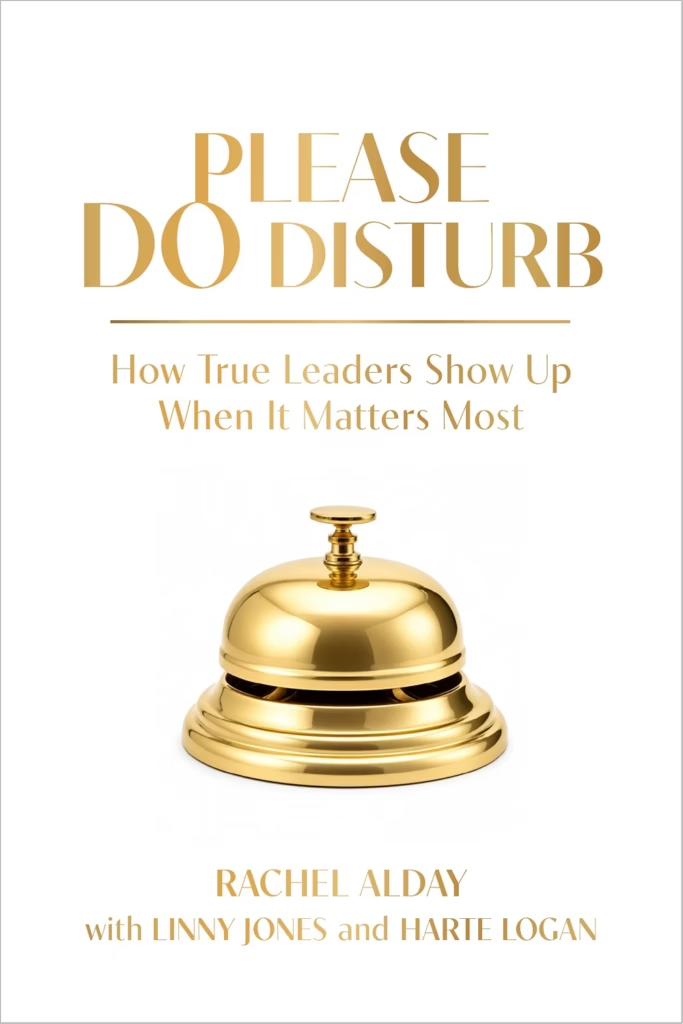
In Please Do Disturb: How True Leaders Show Up When It Matters Most, released November 10 by Berrett-Koehler, authors Rachel Alday, Linny Kresch Jones and Harte Logan explore how leaders can build trust, strengthen workplace relationships and create a culture where people feel valued.
Their approach draws on a concept familiar to the hospitality industry: making people feel welcome, heard and appreciated. The authors argue that the same principles used to create meaningful guest experiences can help businesses develop stronger teams and more effective leadership practices.
The book outlines three central commitments: Show Up, Make Room and Build Belonging. Together, these principles encourage leaders to be present, listen with the intention of understanding others and create environments where employees and customers recognize that their contributions matter.
Each author brings a different professional perspective to the discussion.
Alday has spent nearly two decades building Abode Luxury Rentals, where managing service challenges, customer expectations and team relationships has provided firsthand experience in hospitality leadership. Her work highlights the importance of responding thoughtfully when things do not go according to plan.
Kresch Jones, a licensed professional counselor and entrepreneur, brings a background in psychology and business to the conversation. Her perspective examines how human behavior, communication and emotional awareness influence workplace relationships.
Logan has spent more than a decade coaching executives through the challenges that arise as companies grow. He focuses on helping leaders recognize when their original management approaches need to evolve to meet the demands of a larger organization.
Together, the authors examine how organizations can turn difficult interactions into opportunities to strengthen relationships rather than allowing problems to damage trust. They also explore the connection between employee satisfaction and customer experience, emphasizing that how workers are treated often influences how they treat the people they serve.
A central message of Please Do Disturb is that leadership requires more than setting goals and managing performance. It calls for meaningful engagement, consistent communication and a willingness to address problems directly.
For executives, entrepreneurs and managers navigating workplace changes, the book offers a hospitality-inspired framework for creating more connected organizations and leading effectively when it matters most.