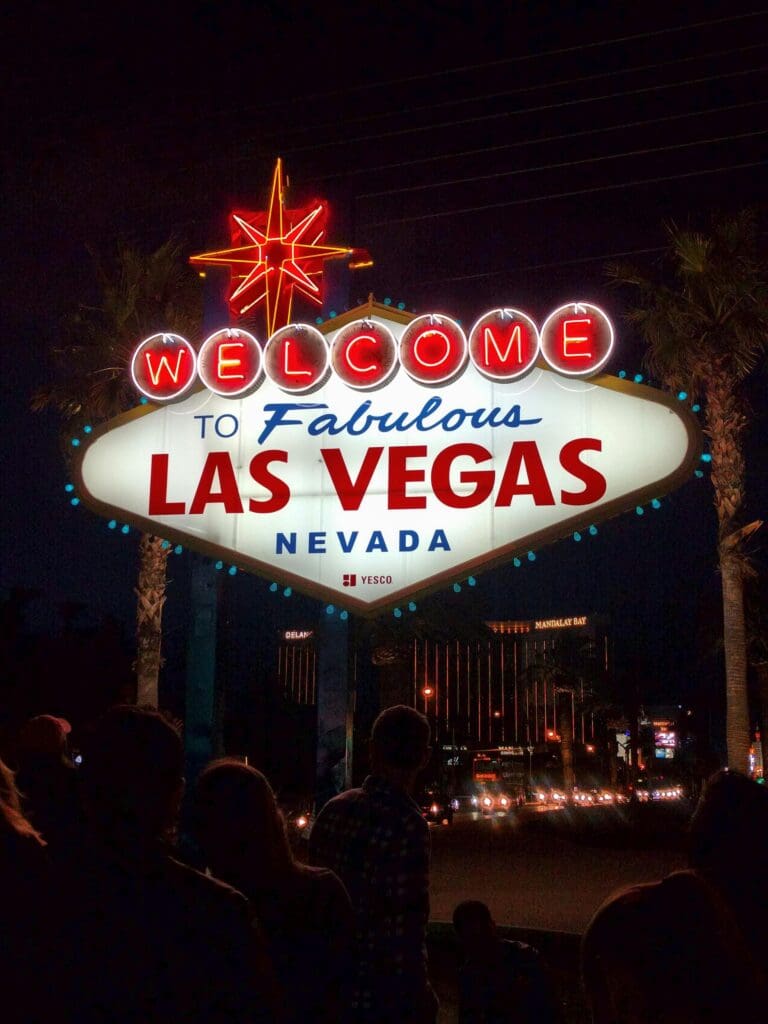
In 2026, Las Vegas is seeing a quiet revolution in how visitors explore the city. Long known for its fast-paced tourism — where shows, restaurants, clubs, and attractions are packed back-to-back — the city is now attracting travelers who are slowing down, savoring moments, and redefining what a Las Vegas trip can be.
Search interest in “slow travel” has surged over the past year, reflecting a broader trend in which travelers prioritize fewer transitions, longer experiences, and a sense of ease. The aim isn’t to do less, but to feel more. Paradoxically, Las Vegas, a city built on spectacle and excess, is emerging as a prime example of this trend.
“People still want the shows, the dining, the celebrations,” says JJ Bell, vp and spokesperson for Presidential Limousine, in a press release. “What they don’t want anymore is chaos between those moments.” Visitors are increasingly planning trips around anchor experiences — a residency concert, milestone celebration, or group gathering — and designing the rest of the itinerary to reduce friction and decision fatigue.
Slow travel isn’t about eliminating excitement; it’s about continuity. In practice, rushing through Las Vegas often creates hidden costs: missed pickups, crowded transfer points, delays, and constant mental juggling. Research from Virlo.ai, analyzing over 2.6 billion travel content views, shows that audiences engage most with content that helps them avoid these small breakdowns — practical guidance rather than destination overload.
Transportation, once treated as a mere necessity, is now part of the experience itself. Smooth transitions, simplified logistics, and stress-free coordination are increasingly viewed as a form of luxury. “Luxury used to mean exclusivity,” Bell notes. “Now it often means not having to think about the next step.”
Las Vegas, with its dense clusters of entertainment, dining, nightlife, and social experiences under single roofs, naturally supports this slow travel approach. Visitors can immerse themselves fully in each moment without constant movement, prioritizing quality and continuity over quantity.
“This city has always been about making people feel something,” Bell adds. “What’s different now is that people are more protective of their time and energy.”
As 2026 unfolds, Las Vegas illustrates a broader signal for the tourism industry: excitement alone is no longer enough. Travelers want memorable experiences delivered with seamless ease. Cities that recognize this — even fast, high-energy destinations — will define the next era of travel.
In Las Vegas, slow travel doesn’t slow the city down — it makes the city feel larger, richer, and more indulgent than ever.