Military families raising children with autism often face challenges that extend well beyond the demands of military service. Frequent relocations, changing healthcare providers, new school systems, and navigating military benefits can make maintaining consistent care difficult for children who thrive on routine.
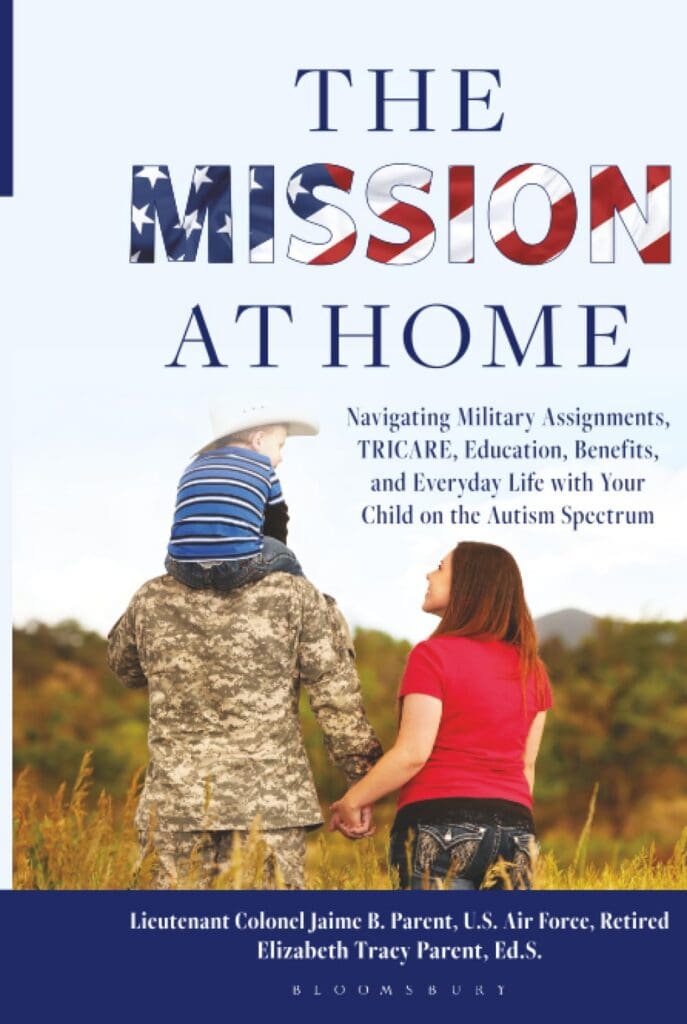
Retired U.S. Air Force Lt. Col. Jaime B. Parent and his wife, Elizabeth “Tracy” Parent, understand those obstacles firsthand. Drawing on decades of personal and professional experience, the couple has written The Mission at Home: Navigating Military Assignments, TRICARE, Education, Benefits, and Everyday Life with Your Child on the Autism Spectrum, a guide designed specifically for military families.
The book comes as autism diagnoses continue to rise across the United States. According to the latest estimates, one in 31 children has been identified with autism spectrum disorder, meaning thousands of military families are balancing the unique demands of service while advocating for specialized care and educational support.
The Parents’ journey began after their son, Bryan, was diagnosed with autism in 1988. Jaime Parent said the support they received from educators and healthcare professionals inspired them to help others facing similar circumstances.
“We got a lot of help when Bryan was first diagnosed,” Parent said. “We made a pact that when it was our turn to help other families, we would remember how we struggled and dedicate ourselves to supporting young families the way we were supported.”
That experience also inspired Tracy Parent to change careers and become a special educator, giving the couple decades of experience navigating autism both personally and professionally.
Their book addresses challenges unique to military life, including frequent Permanent Change of Station (PCS) moves, deployments, changing state education systems, and understanding military programs such as TRICARE and the Exceptional Family Member Program (EFMP).
Tracy Parent said that while services may be available, differences in eligibility, lengthy waitlists, and inconsistent support from state to state often force families to repeatedly rebuild care plans after each move.
Beyond healthcare and education, The Mission at Home also provides guidance on financial planning, preparing for life after military service, housing options, employment resources, and strategies for reducing stress while strengthening family resilience.
Published by Bloomsbury, the book aims to serve as a practical resource for active-duty service members, veterans, caregivers, and military spouses navigating the complexities of raising a child with autism.
“Autism requires lifelong work and strategies,” Jaime Parent said. “Your mission at home matters as much as the one in uniform.”