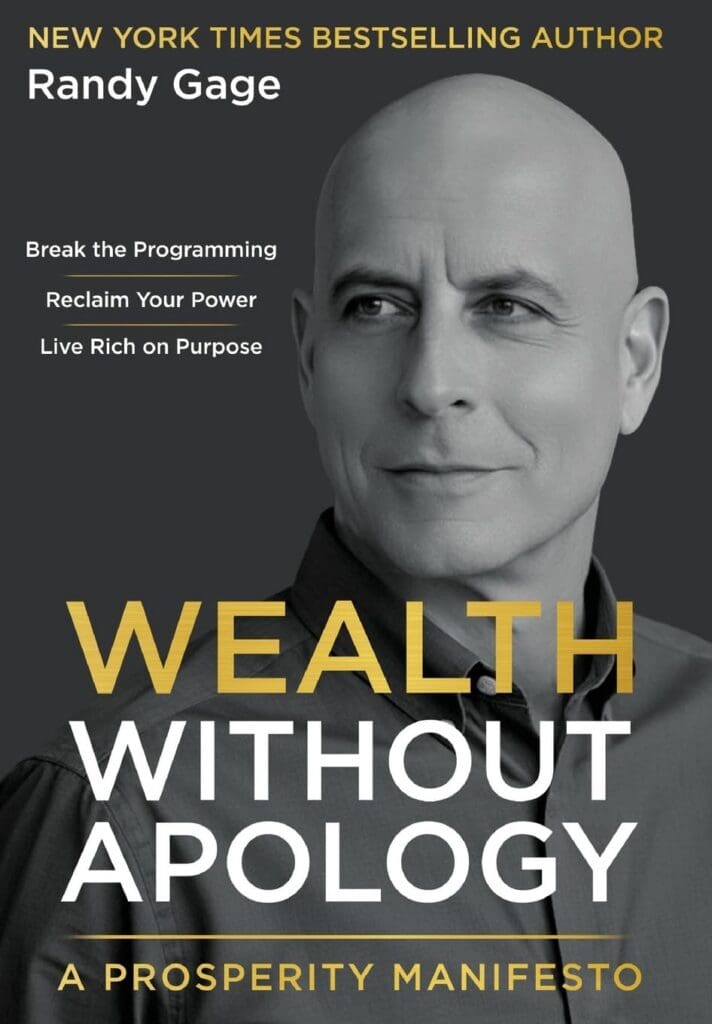
Self-made entrepreneur and author Randy Gage believes one of the greatest barriers to achieving success has little to do with the economy, education or opportunity. Instead, he argues that adopting what he calls a “victim mindset” can keep people from reaching their full potential.
Gage, whose latest book is Wealth Without Apology: A Prosperity Manifesto, says he knows the dangers of this mindset from personal experience. Before becoming a successful entrepreneur, bestselling author and motivational speaker, Gage struggled with addiction, served time in jail for armed robbery as a teenager and faced numerous personal setbacks, including alcoholism, drug addiction and an HIV diagnosis.
“I was a professional victim for almost 30 years,” Gage said in a statement. “So I can tell you firsthand: Victim mindset flat-out sucks.”
Today, Gage has built multiple successful businesses, written 16 books translated into more than 25 languages and says he has helped generate more than $23 billion in revenue through his work with clients and business partners.
According to Gage, a victim mindset develops when people believe their future is controlled entirely by external circumstances or by the actions of others. While acknowledging that inequality and hardship are real, he argues that focusing exclusively on those obstacles can prevent individuals from recognizing opportunities they still have to improve their lives.
One of his primary arguments is that circumstances do not determine future success. Gage believes that while a person’s past may shape their experiences, it does not have to define what comes next. He points to countless entrepreneurs and professionals who have overcome difficult backgrounds to build successful careers.
He also contends that embracing victimhood can diminish personal responsibility. If people believe someone else is entirely responsible for their problems, he says, they may also believe someone else must solve them before meaningful change can occur. That outlook, he argues, gives away personal power and limits the ability to take action.
Finally, Gage warns that a victim mindset can offer emotional rewards that make it difficult to abandon. Sympathy, validation and social support may feel comforting, he says, but they can also reinforce negative thinking instead of encouraging growth and resilience.
His message comes as conversations about mental resilience, gratitude and personal development continue to gain attention, particularly around observances such as Positive Thinking Day in September and World Gratitude Day later that month.
While opinions differ on the role mindset plays in achieving success, Gage hopes his own life story demonstrates that significant change is possible.
His central message is straightforward: acknowledging challenges is important, but allowing them to define your future may be the greatest obstacle of all.