The Enneagram has become a familiar fixture in the wellness and lifestyle world, moving from personality-typing circles to Instagram memes, podcasts and viral TikTok videos. Millions of people now identify themselves as Type Two, Type Seven or one of the system’s other nine personality types. But according to Enneagram expert Beatrice Chestnut, PhD, MA, understanding the system requires going far beyond social media stereotypes.
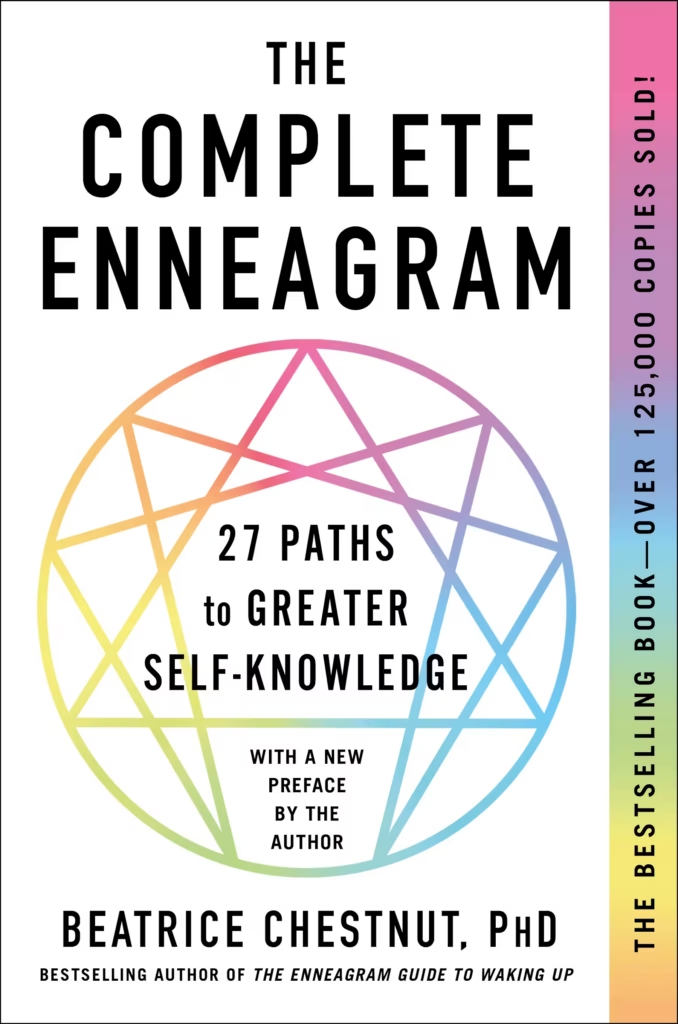
Chestnut, a psychotherapist, coach and global Enneagram expert, explores the deeper psychological dimensions of the system in the upcoming St. Martin’s Essentials edition of The Complete Enneagram: 27 Paths to Greater Self-Knowledge.
Rather than treating the Enneagram as a simple personality quiz, Chestnut examines how unconscious patterns can influence relationships, behavior and personal growth. A central concept is what she describes as “waking sleep,” a state in which people operate through automatic habits and reactions developed earlier in life without fully recognizing how those patterns continue to shape adulthood.
That awareness can also provide a different way of understanding conflict in relationships. Chestnut examines how different Enneagram types respond to emotions, fear, pressure and interpersonal challenges. Understanding those differences, she argues, can help people develop greater empathy toward partners, family members and colleagues rather than simply judging behavior that seems difficult or unfamiliar.
The book also explores how personality patterns can evolve. Chestnut maps pathways that move from the core psychological “trap” associated with each type toward healthier qualities. Patterns such as pride, fear or psychological inertia can become opportunities for developing qualities including humility, courage and purposeful action.
Another key element of Chestnut’s approach is the idea that two people who share the same Enneagram type may still behave very differently. Her work examines the system’s three primal instincts—survival, social interaction and one-to-one bonding—which can significantly influence how a person expresses their underlying type.
Chestnut also introduces readers to the Enneagram’s “countertypes,” profiles that can challenge conventional assumptions about how particular types are supposed to behave. These include individuals whose outward behavior may appear to contradict the stereotypes commonly associated with their core type, potentially leading to misidentification through simplified online quizzes.
As personality typing continues to spread throughout popular culture, The Complete Enneagram presents a more nuanced approach to the system. For readers interested in burnout, relationships, self-awareness and personal development, Chestnut’s work offers an opportunity to look beyond the viral memes and examine the deeper patterns behind personality.
Chestnut is available for interviews and expert commentary, while advance review copies of The Complete Enneagram: 27 Paths to Greater Self-Knowledge are available for review.