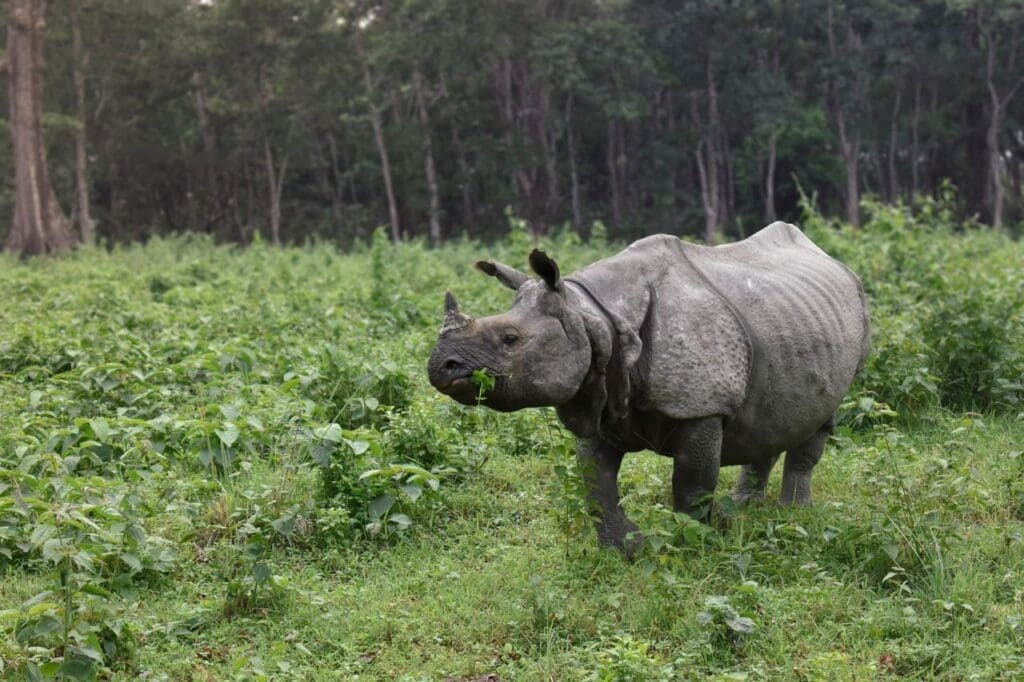
The global population of greater one-horned rhinoceroses continues to grow, offering encouraging news for wildlife conservation efforts in India and Nepal. According to the International Rhino Foundation’s State of the Rhino 2026 report, the population has increased to 4,075, up from 4,014 in 2022.
The report also highlights progress in protecting the endangered animals from poaching. India’s northeastern state of Assam recorded zero known rhino poaching incidents in 2025, marking only the second time since the 1970s that the region has achieved that milestone. Nepal also reported zero known poaching incidents last year, a record it has now reached 10 times since 2011.
Other conservation successes include population growth at several wildlife reserves. Dudhwa Tiger Reserve in India reported 53 rhinos, up from 42 in 2022, while Jaldapara National Park and Gorumara National Park have each recorded a 50% increase in their greater one-horned rhino populations over the past decade.
Responsible safari tourism is among the factors helping support these conservation efforts, according to David Pettitt, head of product at travel company Pettitts Travel. High-value wildlife trips can generate funding for protected areas while limiting the environmental impact associated with larger-scale tourism.
Park and conservation fees often help pay for ranger salaries, road maintenance, water points and habitat management. Revenue from safari lodges can also contribute to anti-poaching operations, including patrols, tracking dogs, aircraft and wildlife-monitoring technology.
Tourism also creates employment opportunities, training and land-lease payments for nearby communities, giving residents an economic incentive to protect the wildlife and habitats that attract visitors.
Where to See the One-Horned Rhino
For travelers hoping to see the animals in their natural habitat, Kaziranga National Park in Assam, India, is a leading destination. The park is home to approximately two-thirds of the world’s Indian one-horned rhino population. January and February are considered particularly good months for sightings, especially in the Kohora Range, where shorter grass can improve visibility across the floodplain.
In Chitwan National Park, Nepal, February and March offer favorable viewing conditions. The Rapti River corridor is a prime area for spotting rhinos, with seasonal grass harvesting helping open up views across the landscape.
Travelers can improve their chances by scheduling safaris around dawn and dusk, when wildlife is often more active. Jeep safaris provide broad coverage, while visitors interested in wildlife photography should consider bringing a telephoto lens.
Allowing at least three to four nights in a destination can also provide more opportunities for sightings and time to explore nearby cultural attractions.
The latest conservation figures demonstrate how protected habitats, anti-poaching initiatives and responsible tourism can work together to support the recovery of one of the world’s most recognizable wildlife species.