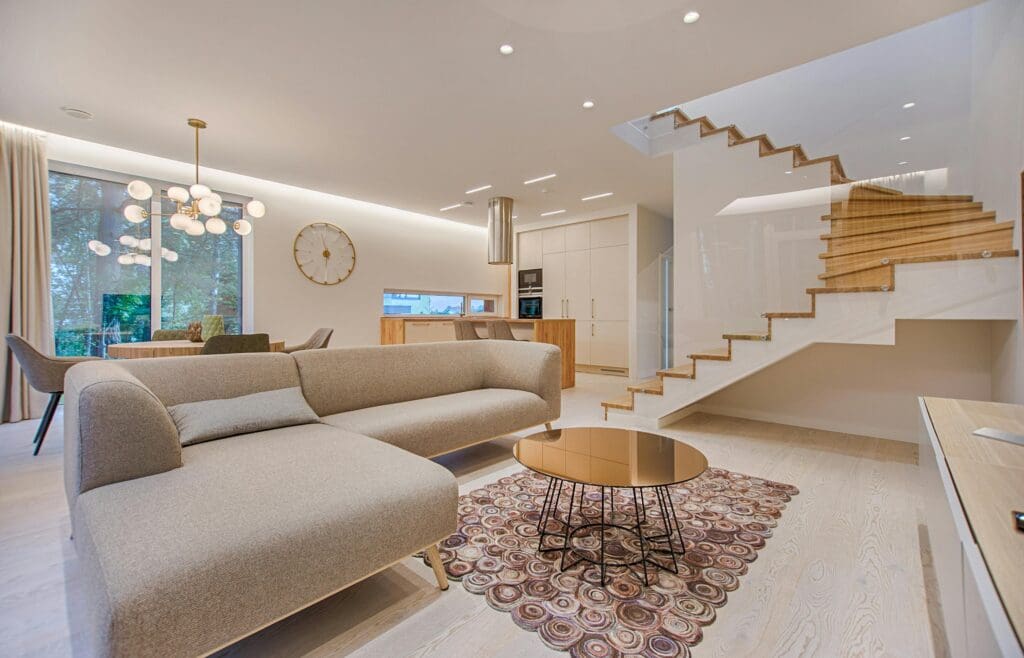
In 2026, designers are moving away from perfectly staged interiors and embracing a more authentic approach to home design known as “lived-in luxury.” Instead of focusing on pristine showrooms and flawless styling, this growing movement prioritizes comfort, durability, and emotional connection. The goal is simple: create homes that look beautiful but also function naturally as people actually live in them.
Designers say the shift reflects a broader cultural change. After years of interiors designed primarily for photographs and social media, homeowners are increasingly seeking spaces that evolve with them. According to Harvey George, a British-made bespoke furniture manufacturer, designers are becoming more thoughtful about the materials and craftsmanship used behind the scenes, not just the visual impact of a finished room.
At the heart of lived-in luxury is the idea that homes should age gracefully rather than appear untouched. Instead of rigid styling, designers are choosing materials and layouts that adapt to everyday routines. The emphasis is on creating environments that hold memories and personal history rather than remaining permanently “camera-ready.”
One defining characteristic of the trend is artistic imperfection. Hand-finished wood, natural stone with subtle variations, textured plaster walls, and surfaces that develop patina over time are now valued features. These elements highlight craftsmanship and authenticity, making a space feel more personal and less mass-produced.
Another emerging design philosophy within the movement is “midimalism.” This style strikes a balance between minimalism and maximalism. Rooms maintain clean lines and thoughtful layouts, but they are softened with meaningful objects—heirlooms, travel finds, or collected art. The result is a curated space that feels layered and expressive without appearing cluttered.
Designers are also incorporating analog spaces into modern homes. These tech-free zones—such as reading corners, quiet sitting rooms, or conversation-focused dining areas—encourage slower, more intentional living. As digital fatigue grows, homeowners are increasingly drawn to environments that offer moments of calm away from screens.
Color palettes are evolving as well. Cool greys and stark whites are being replaced by warmer, coffee-inspired tones like mocha, espresso, and cappuccino. These hues create depth and a comforting, cocoon-like atmosphere that supports relaxation and warmth throughout the home.
Lighting plays a major role in achieving this mood. Instead of bright overhead fixtures, designers are using layered, atmospheric lighting—including wall sconces, indirect cove lighting, and sculptural lamps—to create softer environments that shift naturally throughout the day.
As interior design continues to evolve, lived-in luxury signals a clear change in priorities. In a market saturated with visually similar products, designers say the true mark of quality is no longer perfection in photographs—but how well a space performs and feels over time.