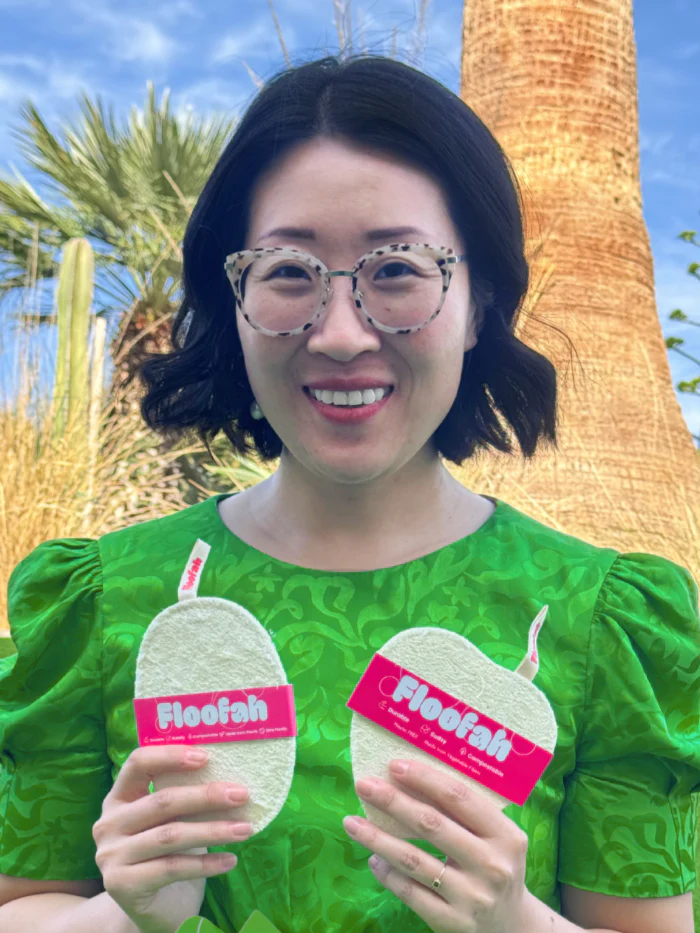
Most people do not think twice about the shower pouf hanging in the bathroom or the sponge sitting next to the kitchen sink. But for Phoebe Yu, those everyday essentials represented a much bigger environmental problem—and an opportunity for change.
Yu is the founder of Floofah, a brand focused on replacing plastic-heavy bath and kitchen tools with fully compostable alternatives made from dried luffa gourd fiber.
With a professional background in recycling and circular economy initiatives, Yu launched Floofah after seeing how much landfill waste and microplastic pollution came from products people use daily and throw away without much thought.
Instead of focusing on beauty formulas or cleaning products themselves, she looked at the tools being used.
Traditional shower poufs and kitchen sponges are often made with plastic materials that do not break down easily, contributing to long-term environmental waste. Many also shed microplastics during use, adding to pollution in waterways and ecosystems.
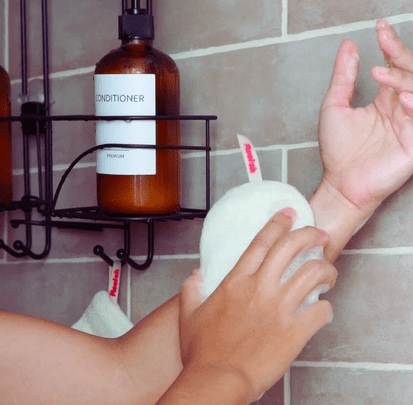
Floofah was created to offer a simple but practical solution.
Its bath sponge is designed to replace conventional plastic shower poufs with a natural, plant-based exfoliating tool that can be composted after use. The kitchen sponge follows the same philosophy, offering a durable scrubber strong enough to handle grease and everyday cleaning while remaining safe for non-stick cookware.
Once worn out, it can return to the earth instead of sitting in a landfill.
The brand sits at the intersection of sustainability, function, and everyday convenience—an area that continues to gain consumer attention as shoppers look for small ways to reduce waste without sacrificing quality.
As sustainable living becomes less of a niche and more of a mainstream expectation, brands like Floofah are finding space by solving overlooked problems in familiar spaces like bathrooms and kitchens.
Yu’s approach highlights a growing movement in consumer products: sustainability does not always have to mean reinventing an industry—it can start by rethinking the most ordinary objects.
From shower routines to dishwashing, Floofah is proving that even the smallest daily habits can make a larger environmental impact.
For shoppers looking to cut down on plastic waste without changing their entire lifestyle, the answer may be sitting right next to the soap dish.