Luxury travel is undergoing a quiet but meaningful transformation. In 2026, travelers are no longer satisfied with simply seeing wildlife—they want to understand it, protect it, and play a role in its survival. According to recent research, a growing majority of global travelers are prioritizing sustainability, with many high-end explorers seeking experiences rooted in conservation rather than consumption.
Nowhere is this shift more visible than across Southern Africa, where a new generation of eco-destinations is redefining what a luxury safari can be. These experiences go beyond traditional game drives, offering guests direct access to conservation efforts that are actively shaping the future of endangered species.
In South Africa’s Drakensberg region, the Cape Vulture Nature Reserve offers a rare glimpse into the world of one of Africa’s most threatened birds. The Cape vulture, a critical player in maintaining ecosystem health, is fighting for survival, with only a few thousand breeding pairs remaining globally. Here, guests can witness one of the largest colonies in existence, observing these massive birds soar above the escarpment while learning about ongoing protection efforts.
Along the coast, Thonga Beach Lodge invites visitors into the ancient rhythms of marine life. Located within a UNESCO World Heritage site, the lodge provides an intimate look at the nesting cycles of leatherback and loggerhead turtles. Watching these creatures return to the same beaches where they were born offers a powerful reminder of nature’s continuity—and its fragility.
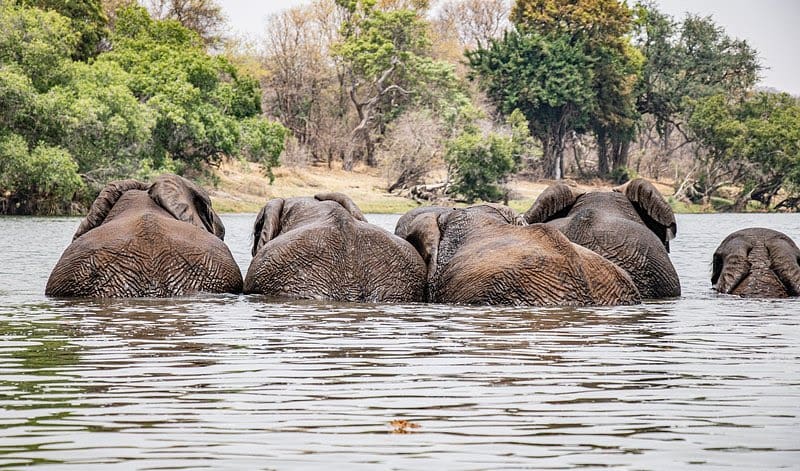
Further inland, Tsowa Safari Island presents a unique vantage point for observing African elephants. Situated in the Zambezi River, the island acts as a natural corridor for wildlife movement, where guests can witness herds crossing the water between national parks. Surrounded by ancient baobab trees and rich biodiversity, the setting underscores the importance of preserving interconnected ecosystems.
At Rhino Ridge Safari Lodge, conservation history takes center stage. The lodge sits within the park where the southern white rhino was saved from near extinction through intensive protection efforts. Today, visitors can see the descendants of those early survivors, offering a living testament to what sustained conservation can achieve.
These destinations reflect a broader evolution in travel—one where luxury is defined not just by comfort, but by purpose. For modern travelers, the most valuable experience is no longer just proximity to nature, but participation in its preservation.
As the industry continues to evolve, Southern Africa stands at the forefront of this movement, offering journeys that are as impactful as they are unforgettable.