With millions of Americans expected to travel this summer, one grief expert is encouraging families to spend as much time planning for safety as they do planning for fun.
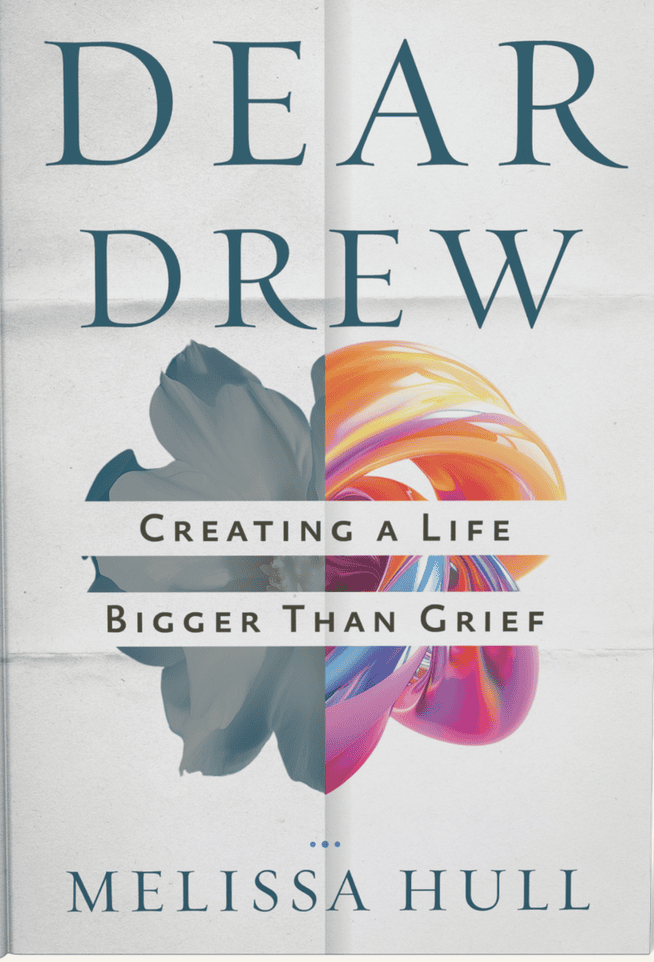
Melissa Hull, a certified grief and bereavement specialist and author of Dear Drew: Creating a Life Bigger Than Grief, says many vacation-related tragedies can be prevented by taking simple precautions before and during a trip.
“There’s no way to make our summer plans 100% safe, but there is a lot we can do to help make it safer,” Hull said in a statement. “It’s well worth the effort to make safety a priority, so we can help to avoid tragedies.”
According to the National Association of Convenience Stores, 72% of Americans plan to take a road trip this summer, and 57% say they expect to travel more than they did last year. While vacations are often associated with relaxation, experts note they can also expose families to unfamiliar environments and unexpected hazards.
Hull points to water safety as one of the biggest concerns, particularly for families with young children. The U.S. Centers for Disease Control and Prevention reports that drowning is a leading cause of injury-related deaths among U.S. citizens visiting countries where water recreation is common. Motor vehicle crashes are another leading cause of deaths involving Americans traveling abroad.
She also warns that vacation rentals can present hidden dangers that parents may overlook. The U.S. Consumer Product Safety Commission has reported fatalities and serious injuries involving residential elevators in private homes, underscoring the importance of inspecting rental properties for potential hazards upon arrival.
Among Hull’s recommendations are maintaining constant supervision around pools, lakes, and beaches, choosing swimming areas with lifeguards when possible, staying hydrated, wearing sunscreen, and getting adequate sleep before driving long distances.
She also advises travelers to research destinations before departure by reviewing U.S. State Department travel advisories, particularly for international trips, and to be aware of seasonal risks such as mosquitoes, ticks, and excessive heat.
Hull’s message is rooted in personal tragedy. She became an advocate for grief awareness after losing her son in a drowning accident, an experience that inspired her to spend more than two decades studying bereavement and helping others navigate life after loss.
Today, she combines grief counseling with practices such as meditation, mindfulness, and emotional resilience training to support those coping with loss.
While no vacation can ever be entirely risk-free, Hull believes thoughtful preparation can reduce the chances of preventable accidents.
“The truth is that not all family vacations this summer will end on a happy note,” she said. “It’s important that we do what we can to reduce the risks and enjoy being with our families as much as possible. That’s what it’s all about.”
As summer travel reaches its peak, safety experts say taking a few extra precautions could help ensure family vacations create lasting memories for the right reasons.