What if the secret to healthier-looking skin isn’t another serum, treatment or complicated 10-step routine—but a hug?
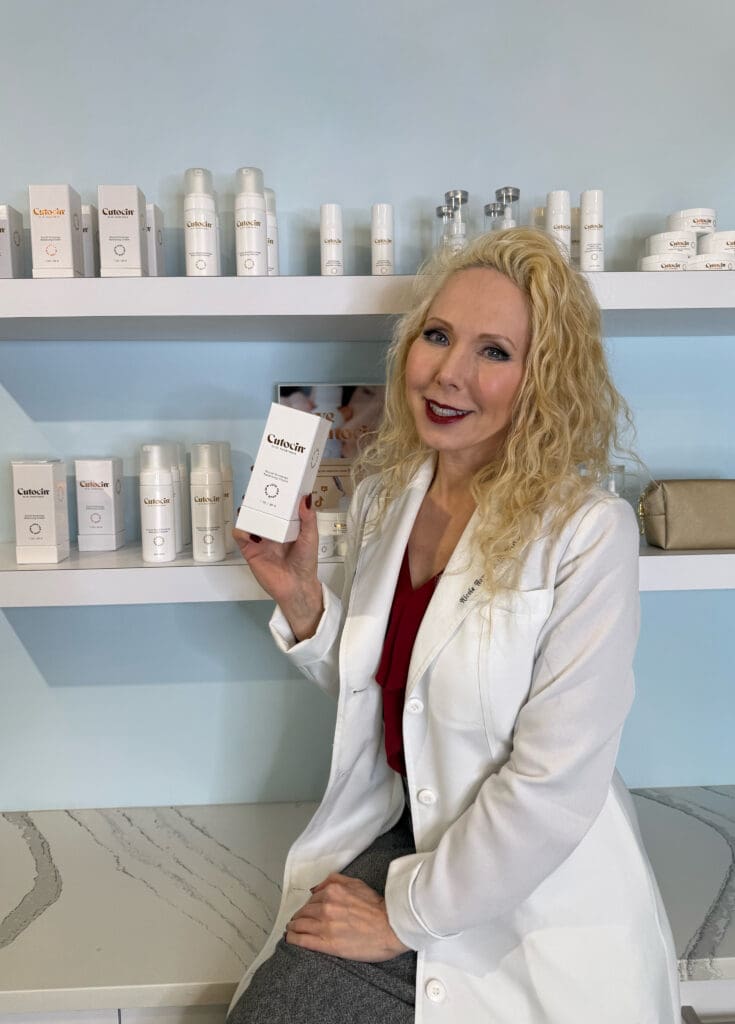
Dr. Nicole Hayre, a board-certified dermatologist and MIT graduate, has spent years exploring the connection between emotional well-being and skin health. Her work began with an observation she repeatedly encountered in her dermatology practice: patients who appeared happy, connected and well cared for often seemed to have a noticeable glow, while prolonged stress and isolation could visibly affect the skin.
That observation eventually led Hayre to investigate oxytocin, a hormone often associated with bonding, affection and social connection.
Sometimes called the “love hormone,” oxytocin is released by the body during experiences such as physical touch, including hugging. Hayre’s research has focused on an additional question: What role could oxytocin play directly in the skin?
Her work culminated in a peer-reviewed study published in the Journal of Drugs in Dermatology, examining the presence and potential effects of oxytocin in skin. According to Hayre, the research suggests that skin itself produces oxytocin and that the hormone may help protect against inflammation associated with the aging process.
The findings offer another perspective on the increasingly popular conversation around the relationship between stress, emotional health and appearance.
Chronic stress has long been associated with changes in the skin, including inflammation and disruptions to the skin barrier. Sleep, nutrition and environmental factors can also influence how skin looks and behaves. Hayre’s research adds the possibility that social connection and the body’s biological response to it may also have a role.
That could make something as simple as a 20-second hug an interesting addition to a broader approach to skin wellness—not as a replacement for sunscreen, moisturizer, medical treatment or proven dermatological care, but as part of a lifestyle that supports overall well-being.
Hayre ultimately turned her research into what she describes as the first oxytocin-inspired skincare line, bringing the concept of connection and skin biology into a beauty category traditionally focused on correcting perceived flaws.
Her approach also reflects a shift in how consumers are thinking about aging. Instead of treating every wrinkle, line or change in texture as something that needs to be aggressively corrected, wellness-focused skincare increasingly emphasizes supporting the skin and understanding the factors that affect it.
The idea is particularly relevant as loneliness and stress continue to receive greater attention for their potential effects on overall health.
For beauty consumers, Hayre’s work presents a compelling reminder that skincare doesn’t happen entirely in front of the bathroom mirror. How we live, connect, rest and manage stress may influence our skin just as much as what we put on it.