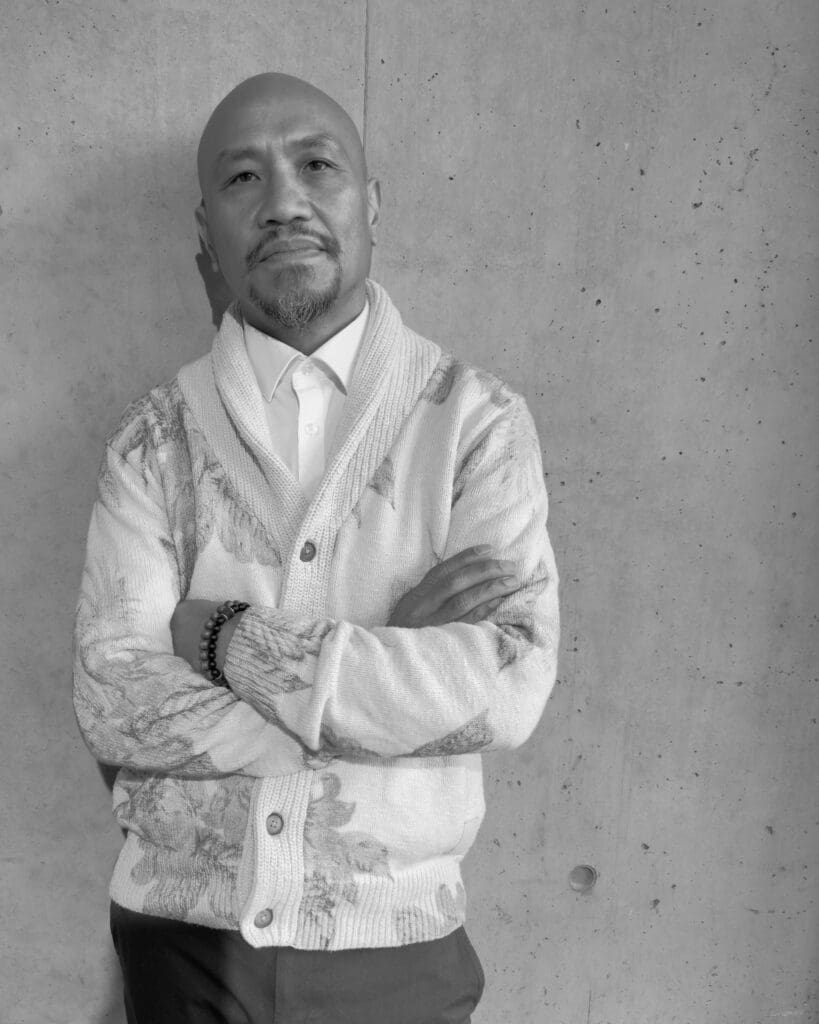
The Solomon R. Guggenheim Museum has announced Patrick Rosal as its 2026 Poet-in-Residence, continuing a program that bridges the worlds of contemporary art and poetry while amplifying diverse creative voices.
Now in its fifth year, the residency reflects the Guggenheim’s broader commitment to exploring abstraction beyond visual art, extending into language, sound, and lived experience. The initiative also builds on the institution’s long-standing engagement with poetry, positioning it as a vital medium for dialogue and reflection within the museum space.
Rosal, who is based in New Jersey, brings a deeply rooted and expansive practice to the role. He is the author of several acclaimed poetry collections, including The Last Thing: New and Selected Poems, and is widely recognized for work that blends personal narrative with broader cultural and ecological themes. His writing often examines identity, memory, and the ways language can reconnect people to each other and to the natural world.
During his residency, Rosal will lead programming under the title The Water Listeners, a project that centers water as both a physical and symbolic force. Through readings, performances, and public engagement, the initiative will explore water as a living presence — a source of memory, a site of reflection, and a shared resource that connects communities across time and geography.
The theme arrives at a moment when conversations around environmental awareness and collective responsibility are increasingly urgent. Rosal’s work approaches these ideas not through abstraction alone, but through sensory experience and emotional resonance, encouraging audiences to reconsider their relationship to the environment and to one another.
The Guggenheim’s Poet-in-Residence program has become an important platform for interdisciplinary exploration, inviting artists to activate the museum in unexpected ways. By integrating poetry into its programming, the institution expands how visitors experience art — not just visually, but through sound, language, and shared presence.
Rosal’s appointment underscores a continued push toward inclusivity and innovation, ensuring that the museum remains responsive to contemporary voices and concerns. As The Water Listeners unfolds throughout 2026, audiences can expect a series of programs that challenge perception, deepen connection, and offer new ways of thinking about art’s role in a rapidly changing world.