For years, scientists and skincare experts have warned about the damaging effects of stress on the skin. Elevated cortisol levels have been linked to inflammation, collagen loss, barrier disruption, and accelerated signs of aging. But what if the opposite is also true? What if positive emotions could actually help protect the skin?
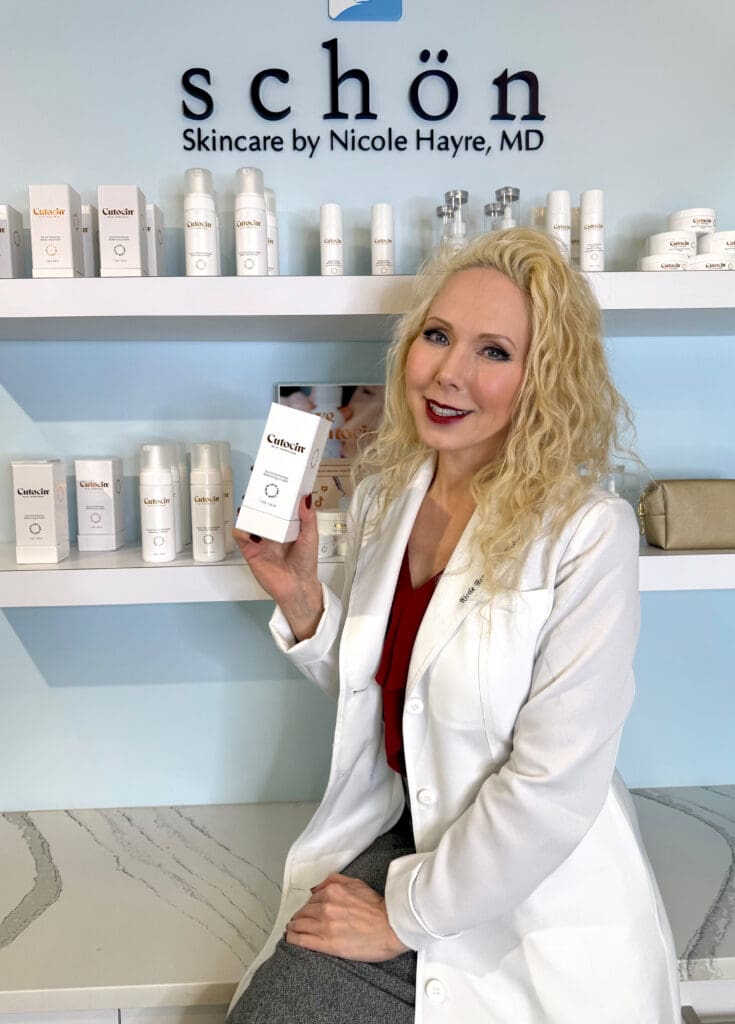
That’s the question driving the work of Dr. Nicole Hayre, a board-certified dermatologist, MIT graduate, and founder of Cutocin, a skincare company focused on the connection between emotional well-being and skin health.
According to Dr. Hayre, the often-discussed “in love glow” may have a biological explanation rooted in oxytocin, commonly known as the love hormone. While oxytocin is widely recognized for its role in bonding, trust, and social connection, Hayre’s research suggests it may also play an important role in maintaining healthier, younger-looking skin.
In clinical practice, she observed a recurring pattern among patients experiencing strong social connections, new relationships, or periods of emotional fulfillment. Many appeared to develop a noticeable radiance that could not be fully explained by traditional skincare treatments alone.
Those observations led her to investigate the relationship between oxytocin and skin aging. Her research, published in the Journal of Drugs in Dermatology, found that oxytocin is produced locally within the skin and may help regulate inflammatory signals associated with collagen breakdown, tissue thinning, and other visible signs of aging.
The findings contribute to a growing area of research often referred to as the skin-brain axis, which examines how emotional and psychological states influence skin health. While stress has long been recognized as a trigger for conditions such as acne, eczema, and psoriasis, emerging research suggests that social isolation and loneliness may also have measurable effects on skin function and appearance.
Hayre argues that emotional wellness should be viewed as a legitimate component of dermatological health rather than a separate concern.
The concept aligns with broader beauty trends expected to gain momentum in 2026, including “emotional beauty” and longevity-focused skincare. These movements emphasize the connection between mental well-being, physical health, and appearance.
Hayre’s skincare brand, Cutocin, is built around what she describes as botanical oxytocin mimics—ingredients designed to support the skin’s natural communication pathways and promote healthier skin function.
As consumers increasingly seek holistic approaches to beauty, the intersection of neuroscience, psychology, and dermatology is becoming a growing area of interest.
Whether future skincare routines focus as much on emotional health as topical products remains to be seen. But according to researchers like Hayre, the glow associated with happiness, connection, and love may be more than just a figure of speech—it may be written into the biology of the skin itself.