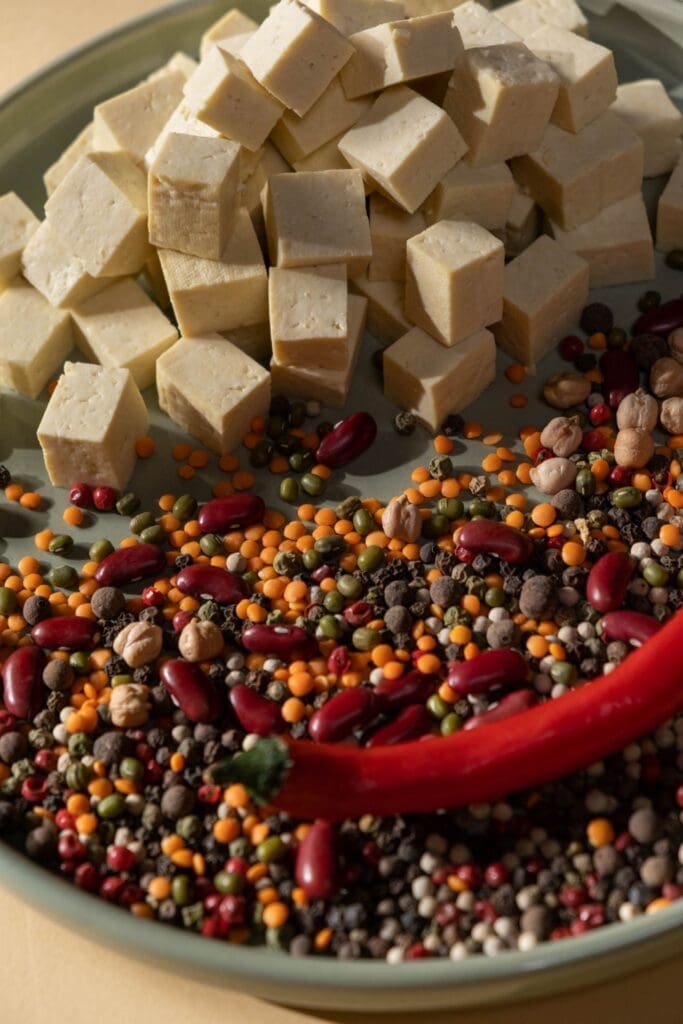
Protein has become the star of the wellness world. From high-protein grocery products and protein-packed snacks to social media food hacks, the viral trend known as “protein maxxing” has people looking for ways to increase their daily intake in hopes of building muscle, losing weight and improving their overall health. But according to celebrity fitness and nutrition expert Lisa Lynn, more protein isn’t necessarily better — and choosing the wrong sources could be working against weight-loss goals.
Lynn, who spent 17 years as Martha Stewart’s personal trainer and has appeared on The Dr. Oz Show, The Martha Stewart Show and Fox News, says excessive focus on protein may be one reason some people struggle to lose stubborn abdominal fat.
In a recent announcement, the Norwalk, Connecticut-based expert points to several factors that can make belly fat difficult to address, including aging, hormonal changes, chronic stress, muscle loss and dietary habits. She also says the type of protein people consume matters, arguing that some popular choices may contain excess saturated fat, lactose or highly processed ingredients.
Lynn believes people should pay closer attention to how their bodies respond to different foods rather than simply chasing higher protein numbers. She recommends incorporating natural whey protein and fiber into daily nutrition, including her LynFit Natural Whey Protein Powder Peptides with Prebiotic Fiber. The product is promoted as a convenient way to increase protein and fiber intake.
She also emphasizes the importance of strength training, particularly for women over 40, as muscle loss can become more pronounced with age. Her suggested fitness routine includes three full-body strength workouts each week and aiming for 10,000 daily steps.
Beyond exercise and nutrition, Lynn identifies sleep and stress management as important parts of maintaining metabolic health. She recommends establishing consistent eating habits, staying active throughout the day and including leafy greens in daily meals.
For people using GLP-1 medications as well as those pursuing weight loss through lifestyle changes, Lynn says a more thoughtful approach to nutrition may be worth considering. However, protein needs vary depending on age, activity level and health status, and there is no single protein source or eating schedule that works for everyone.
The takeaway: protein can play an important role in supporting muscle and overall health, but maximizing intake without considering food quality, individual needs and overall nutrition may not deliver the results people expect.
More of Lynn’s fitness and nutrition advice is available at LynFit.com.