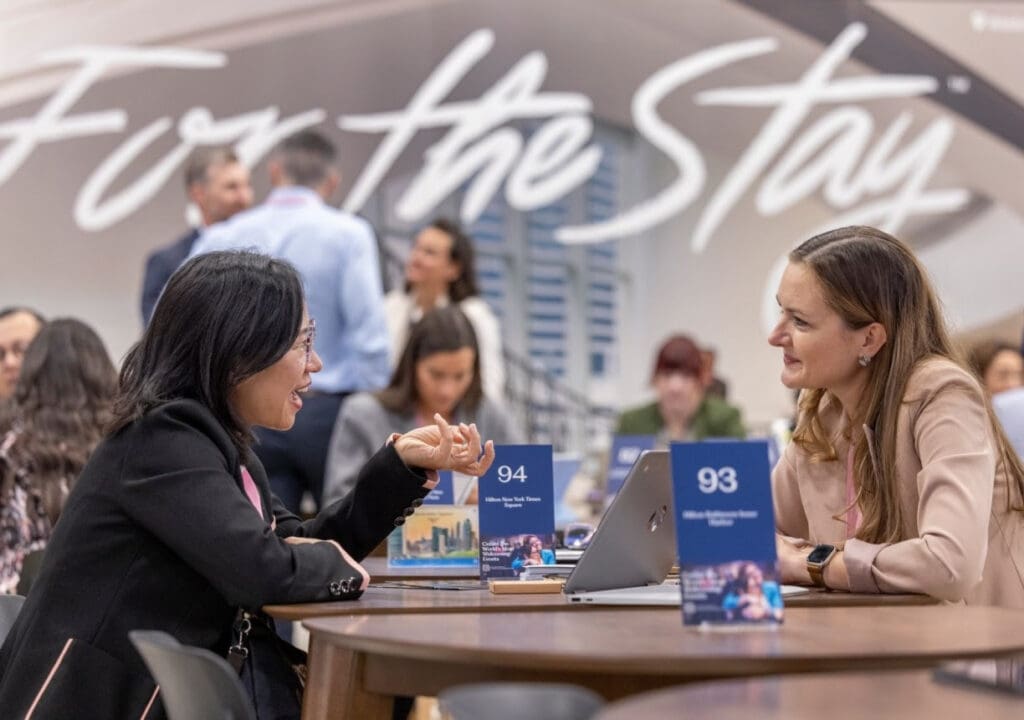
As artificial intelligence and digital tools transform how professionals communicate, a new report from Hilton suggests that the most meaningful connections are still happening face to face. The hospitality giant’s newly released Why We Gather Report, a special section of its 2026 Trends Report, highlights how changing attendee expectations are reshaping meetings and events around the world.
The research, conducted with Ipsos, surveyed more than 3,000 adults in the United States, United Kingdom, and India who expect to attend in-person work events within the next two years. The findings reveal a growing demand for authenticity, purposeful networking, and wellness-focused agendas that balance productivity with personal well-being.
One of the report’s most striking insights is that 84% of attendees say they enjoy bringing their “authentic selves” to work gatherings. The finding reflects a broader shift in workplace culture, where professionals increasingly value environments that encourage openness, individuality, and meaningful interaction rather than rigid corporate formality.
The desire for genuine connection is also influencing why people attend events in the first place. Nearly half of respondents—49%—say that meeting new people and strengthening relationships with colleagues will be the main reason they attend work events in 2026. The data suggests that meetings are evolving beyond presentations and panel discussions into spaces where collaboration and career momentum are built through personal interaction.
At the same time, technology is playing a supporting role rather than dominating the experience. According to the report, 67% of attendees believe artificial intelligence tools at events can improve the overall experience by saving time on logistics and allowing them to focus on networking and engagement. Instead of replacing in-person interaction, digital tools are increasingly used to streamline planning, scheduling, and event management behind the scenes.
Cultural experiences also remain a major attraction. Eighty-four percent of respondents say experiencing local culture is a significant perk of attending work-related events, reinforcing the value of hosting gatherings in destinations that offer unique food, entertainment, and community engagement opportunities.
Another major trend highlighted in the report is the rising importance of wellness in event planning. Two-thirds of attendees say they feel less engaged during meetings if they don’t have scheduled downtime. More than half—55%—admit they would skip sessions entirely if breaks are not built into the schedule.
The findings point to a growing expectation that conferences and corporate gatherings should support mental and physical well-being. While 76% of respondents enjoy organized wellness activities such as group fitness sessions or mindfulness programs, many also value the freedom to recharge independently, with 38% preferring to spend downtime alone.
Parents, in particular, view work events as a rare opportunity for personal time. The survey found that 81% of parents consider having some time away from daily family responsibilities an underrated benefit of attending professional gatherings.
The Why We Gather Report builds on Hilton’s broader initiative known as World’s Most Welcoming Events, which aims to make meetings more inclusive and engaging across generations and cultures. It also expands on last year’s Meetings Maximizer research, shifting the conversation from how events are designed to why people attend them in the first place.
Together, the findings suggest that while the workplace continues to evolve in the digital age, the fundamental human need for connection remains at the heart of successful meetings and events.