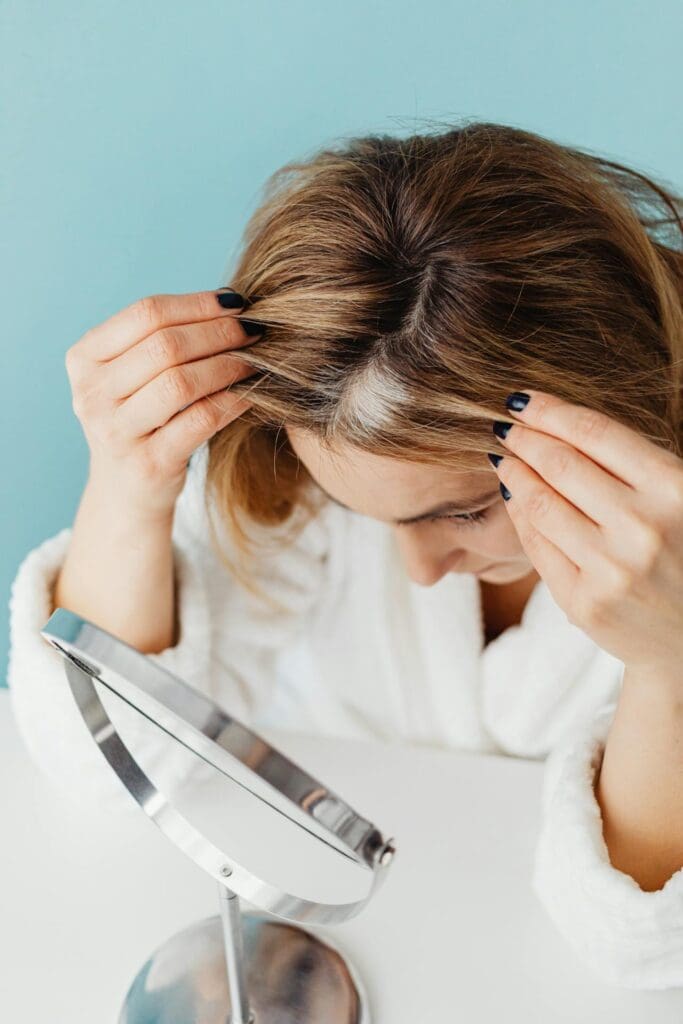
Hair loss is a common concern affecting millions of people, with research from the National Council on Aging estimating that about 85% of men and 33% of women experience some form of hair thinning during their lifetime. While genetics and hormones play major roles, nutrition experts say diet is one of the most overlooked factors influencing hair health.
Specialists at Harley Street Hair Clinic emphasize that poor dietary patterns — particularly low intake of key nutrients — are closely linked to increased shedding, weaker follicles, and slower growth cycles. According to trichology professionals, providing follicles with the right nutrients can significantly improve hair strength, thickness, and overall scalp health.
Among the most beneficial foods identified by experts are nutrient-dense options that support keratin production, improve circulation to the scalp, and regulate hormone-related hair cycles.
Omega-3s, Minerals, and Protein Powerhouses
Sardines rank high due to their combination of protein, calcium, and vitamin D, which help strengthen the hair shaft and maintain follicle function. Pumpkin seeds are another standout because of their zinc, iron, magnesium, and protein content — nutrients strongly associated with reduced shedding and improved regrowth. Zinc deficiency, in particular, has been widely linked to hair loss.
Beef liver also offers significant benefits thanks to its vitamin A, iron, and protein levels. Vitamin A supports healthy sebum production, helping keep the scalp moisturized and preventing brittle strands.
Thyroid Support and Follicle Repair
Seaweed, particularly nori sheets, provides iodine — a nutrient essential for thyroid hormone production. Thyroid imbalances are a common but often undiagnosed cause of diffuse hair thinning, making iodine intake especially important for those experiencing unexplained shedding.
Oysters are considered one of the most potent dietary sources of zinc, delivering levels that help stabilize follicles, support keratin formation, and reduce telogen effluvium, a stress-related shedding condition.
Nutrient values cited by experts were drawn from USDA FoodData Central and national iodine and fatty-acid databases using standard food entries, though amounts can vary by preparation and sourcing.
Ultimately, professionals stress that while no single food can reverse hair loss alone, consistent consumption of nutrient-rich foods can create the biological conditions necessary for healthier growth over time.